Pre-Cutting Process: Optimizing Packaging Manufacturing
In the industrial production of flexible packaging, the pre-cutting process employs mechanical or laser scoring to integrate essential functionality into continuous flexible webs. It focuses on implementing easy-tear paths and accurately spaced separation points for sheet-based products like disposable gloves. By modifying the substrate early, the process ensures the material is technically ready for specialized single-use applications and seamless final conversion stages.
Key Facts About the Pre-Cutting Process
| Feature | Description |
|---|---|
| Definition | Precise mechanical or laser-based scoring to create easy-tear features, easy-open paths, and controlled-distance sheets. |
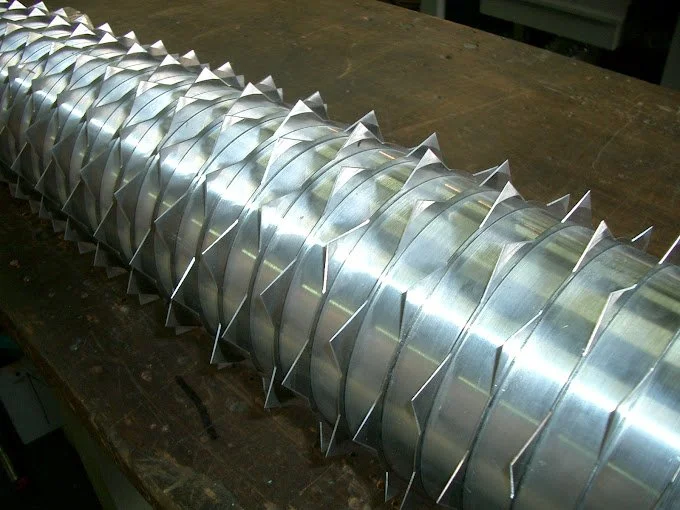
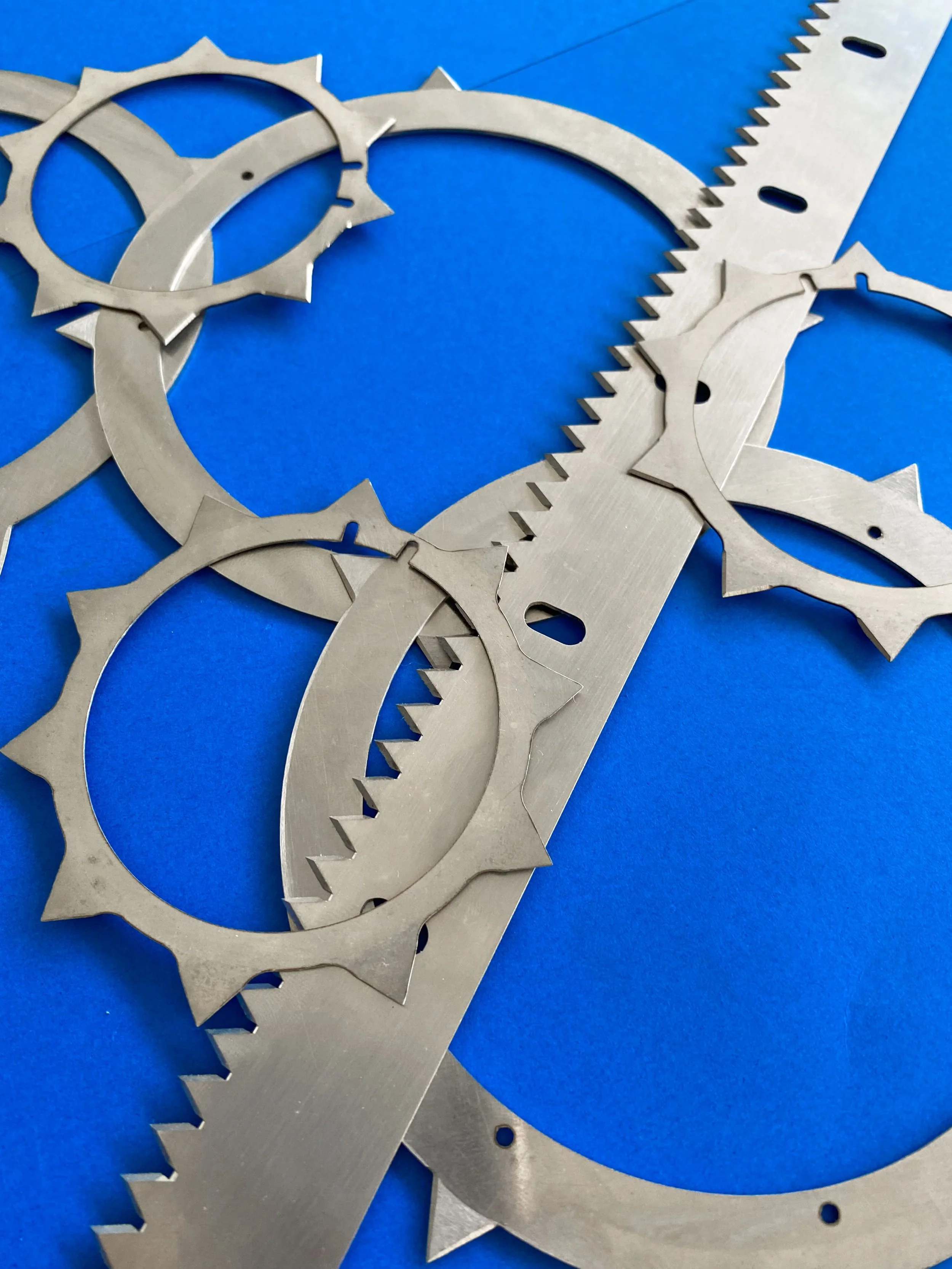
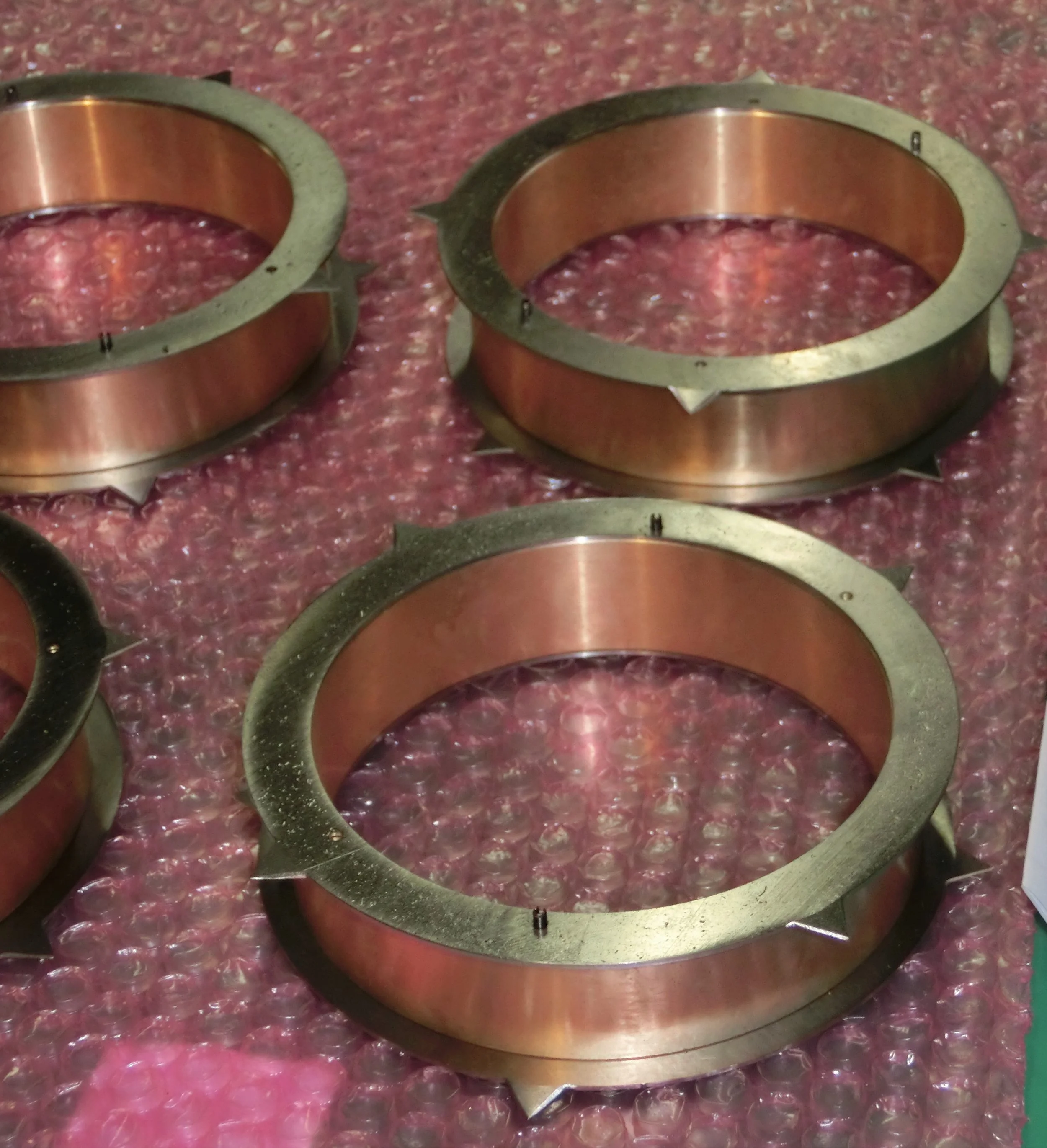
| Mechanical Processing | Utilizes toothed blades specifically for laminates, paper, non-woven materials, and PE. |
| Laser Processing | High-precision scoring dedicated to aluminum, PP, BOPP, and PET substrates. |
| Key Benefits | Implementation of easy-tear and easy-open laser solutions; precise sheet separation for single-use products (e.g., disposable gloves). |
| Target Industries | Food & Beverage (easy-open), Medical & Hygiene (disposable items), and General Flexible Packaging. |
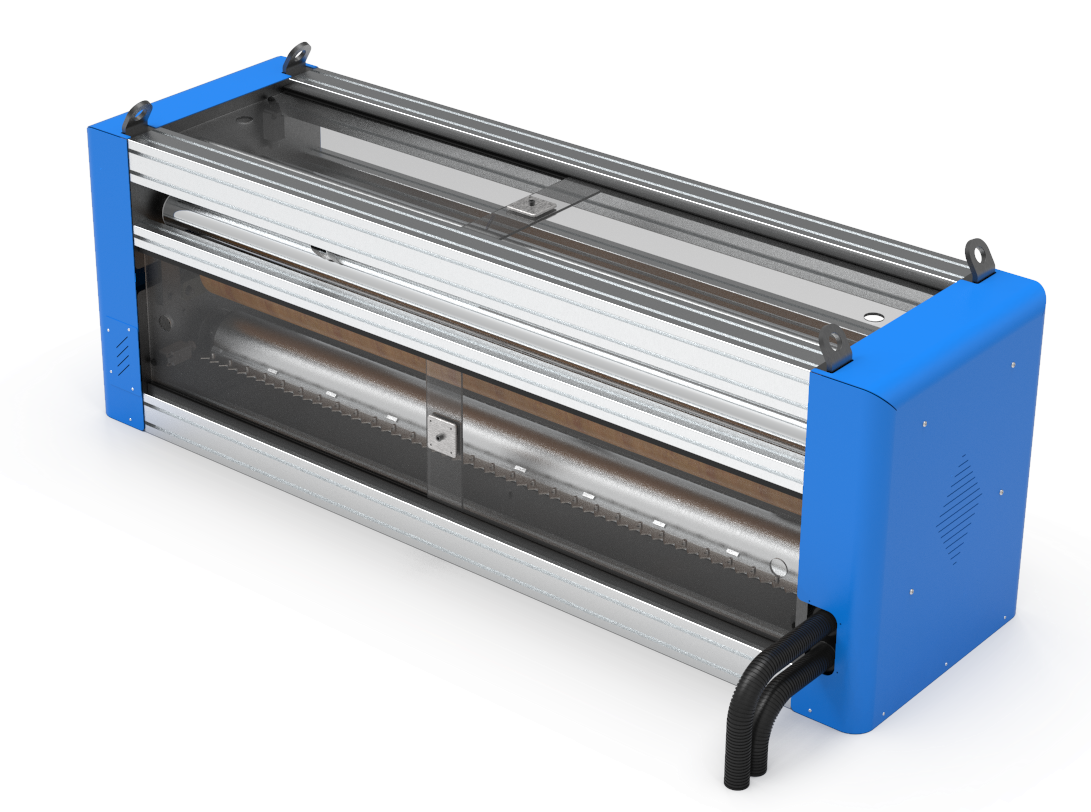
| Integration | Modular units designed for seamless installation into existing packaging or pouch-making lines. |
Understanding the Pre-Cutting Process
What Is a Pre-Cutting Process?
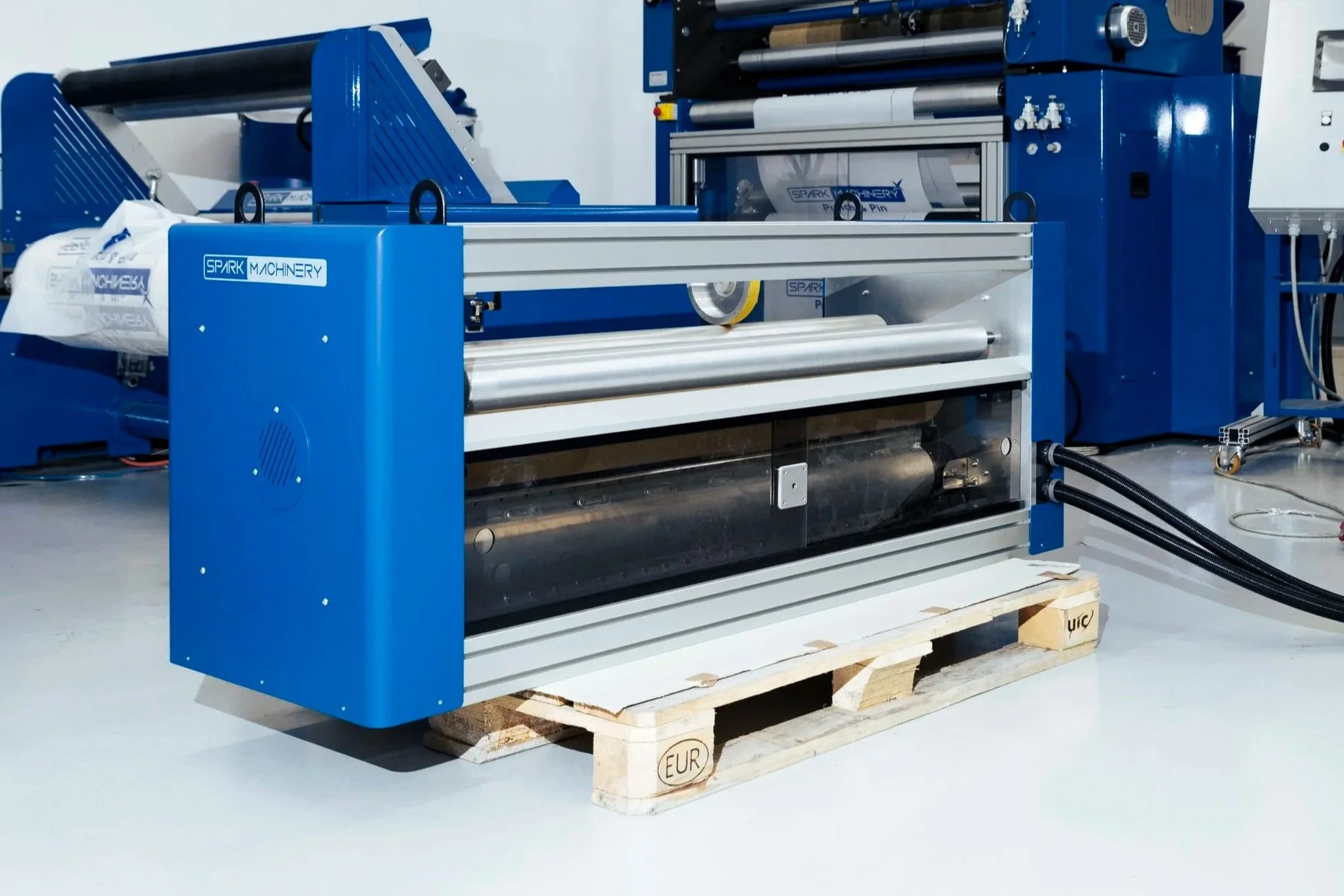
In the context of flexible packaging, the pre-cutting process is a high-precision intervention designed to modify the substrate’s structural integrity through selective material weakening or partial incision. This process is engineered to create functional features—such as easy-tear lines, easy-open laser paths, and predefined tear-off points—before the web reaches the final assembly or conversion stage.
Pre-Cut Technologies
The application of pre-cutting is categorized by its orientation relative to the material flow, with each method serving a distinct functional purpose in the final product.
-
This process occurs parallel to the direction of the web movement.
Applications: Primarily used to create continuous easy-open lines. It is essential for packaging that requires a consistent tear-path along the length of the pouch.
Technologies:
Mechanical: Fixed toothed blades that score the material (PE, paper, or laminates) as it passes through the line.
Laser: Continuous scoring on high-performance films (BOPP, PET) to create high-precision, invisible easy-open guides.
-
This process occurs perpendicular to the material flow.
Applications: The critical technique for producing tear-off sheets and single-use items such as disposable gloves or medical drapes.
Function: It defines the controlled distance between individual units. This allows the end-user to detach single items from a roll with minimal effort and a clean separation.
Technology:
Mechanical: Rotating rollers equipped with transverse toothed blades that strike the substrate (PE, non-woven, paper) at precise intervals.
Laser: Synchronized laser pulses that scan across the web to create targeted weakening zones on aluminum or polymer films.
Materials Commonly Processed by Pre-Cutting
The versatility of pre-cutting technology allows it to handle a wide range of substrates, adjusting for specific mechanical or thermal requirements to preserve material integrity.
-
-
With the shift toward sustainable packaging, pre-cutting paper and coated paperboards has become vital. It enables precise fold lines and "easy-tear" features while preventing fiber cracking during high-speed folding.
-
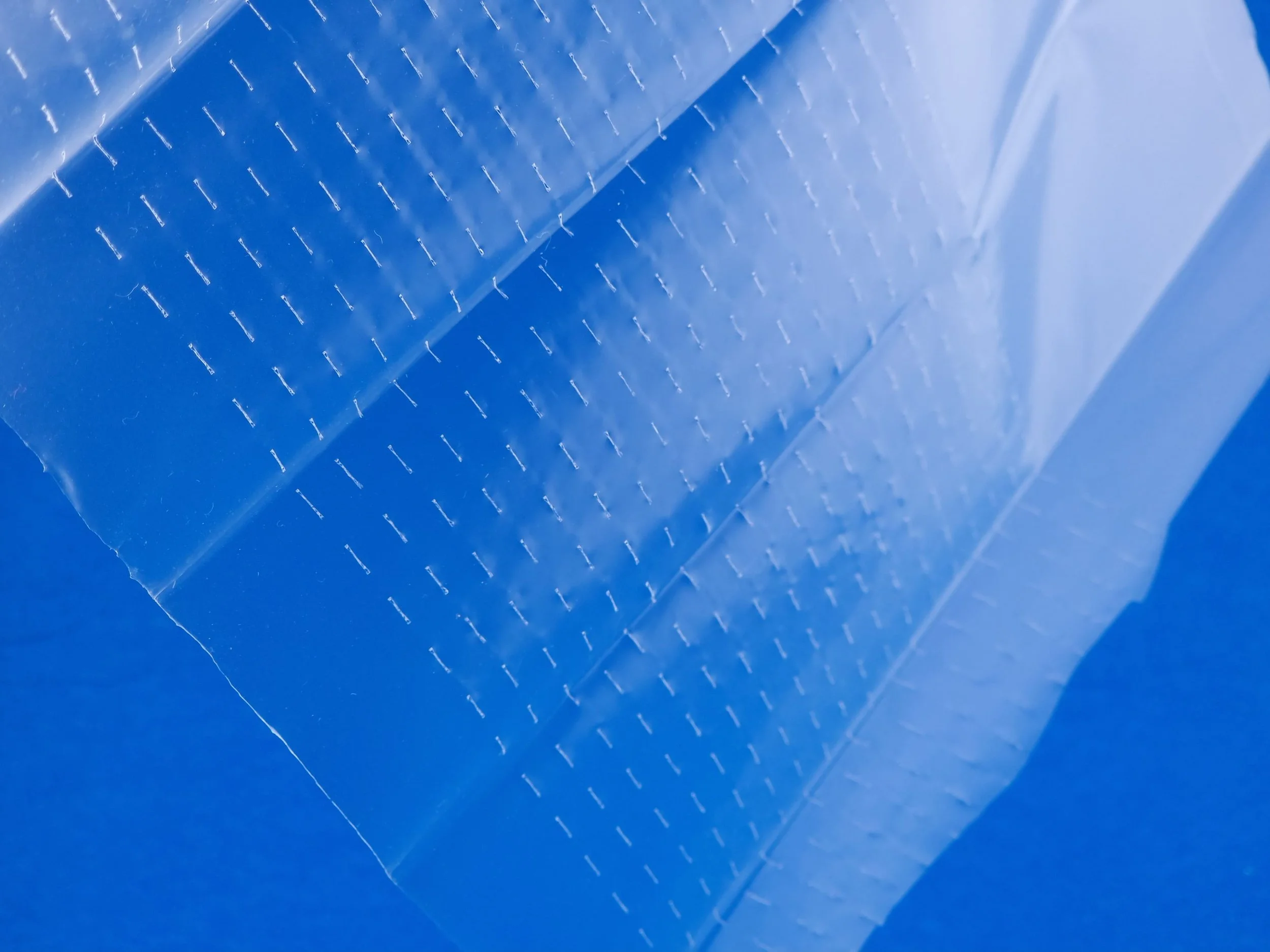
For textiles and non-woven substrates, pre-cutting is essential for defining controlled separation points and easy-tear features in single-use applications. Utilizing mechanical toothed blades, the process ensures that fibers are severed cleanly at precise intervals. This enables the efficient production of items such as disposable gloves or hygiene sheets, where consistent, manual tear-off functionality is a core requirement of the final product.
-
In the medical and technical sectors, precision and cleanliness are paramount. Pre-cutting provides burr-free results for materials like Tyvek® or surgical drapes, ensuring sterile integrity. For technical substrates like conductive foils, the process offers micron-level accuracy with minimal particulate generation, making it suitable for controlled environments.

Versatile Applications of the Pre-Cutting Process
Pre-cutting technology is a cornerstone for industries requiring functional, user-friendly, and high-precision flexible packaging. By tailoring the method to the specific substrate, manufacturers can create specialized solutions across several key sectors.
-
In the medical sector, the priority is sterile, effortless, and rapid access. Pre-cutting is essential for:
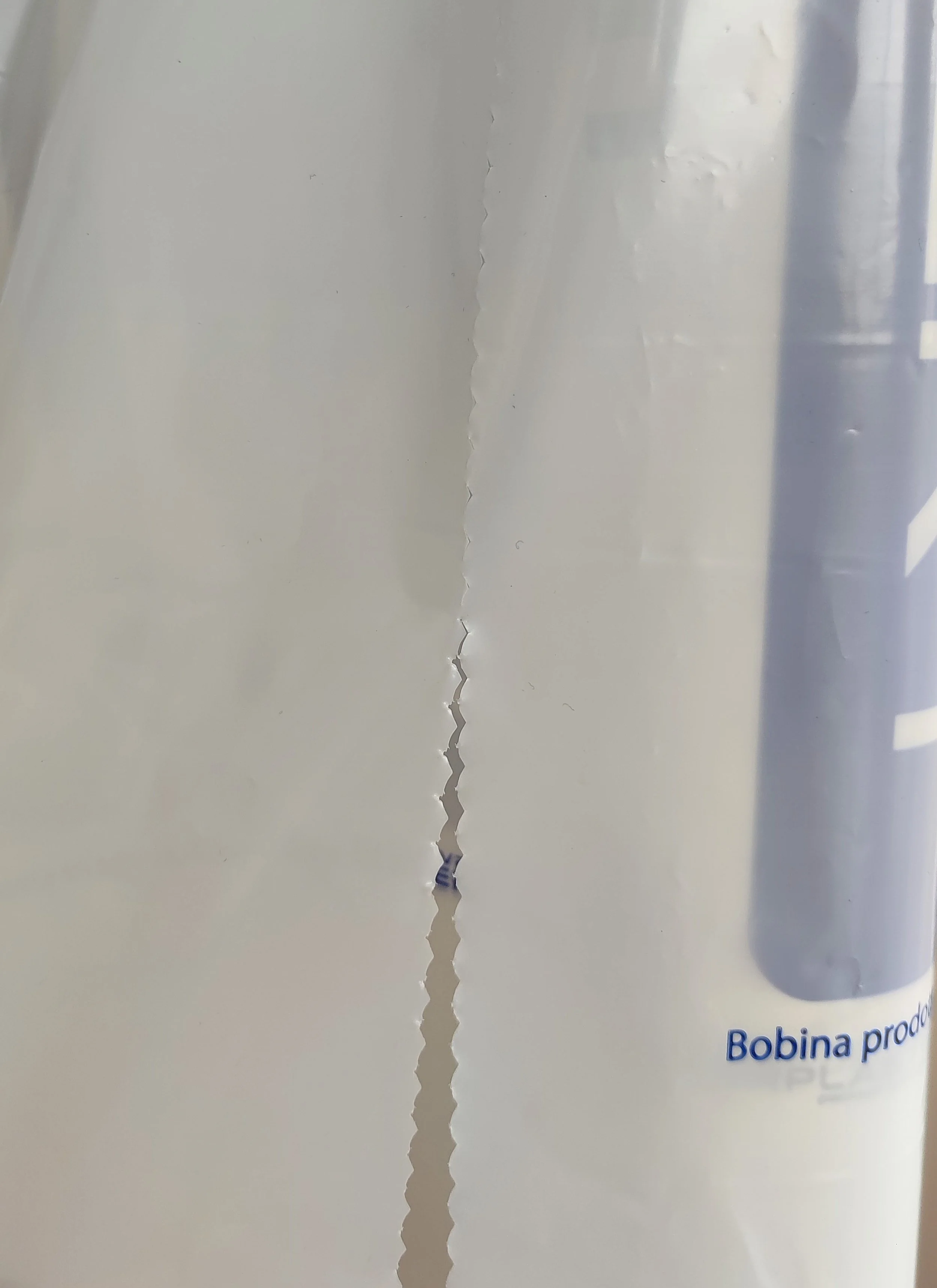
Disposable Gloves and Garments: Using transverse mechanical pre-cutting on PE and non-woven materials to create precisely spaced tear-off points for high-volume production.
Sterilization Pouches and Drapes: Implementing clean, burr-free score lines that allow medical professionals to open kits instantly without risk of material fragmentation or fiber contamination.
-
Consumer convenience drives the demand for pre-cutting in food packaging.
Laser-Scored Pouches: Targeted laser ablation on BOPP, PET, and Aluminum laminates creates "invisible" easy-open paths. This allows consumers to tear open coffee bags, snack pouches, or stick-packs with minimal effort while maintaining the original barrier properties.
Lidding Films: Pre-scoring the perimeter of lidding materials for yogurt or ready-meal containers to ensure a clean, consistent peel every time.
-
The shift toward efficient logistics and sustainable materials has expanded pre-cutting into retail formats:
Controlled-Distance Sheets: Mechanical toothed blades are used to produce rolls of pre-cut sheets (for protective wrapping or food service) that can be detached at specific lengths.
Easy-Tear Paper Packaging: For the growing paper-based packaging market, mechanical scoring prevents fiber cracking and ensures that paper pouches or mailers have a professional, easy-to-use tear strip.
-
Disposable Protective Gear: Beyond medical use, industrial PE gloves and aprons rely on accurate transverse pre-cuts to ensure high-speed dispensing in manufacturing environments.
Technical Tapes and Films: Creating specialized weakening zones in technical laminates for easy manual separation in construction or automotive assembly lines.
Best Practices for Implementing a Pre-Cutting Process
A successful implementation ensures that hardware and material chemistry work in perfect harmony, preventing downstream alignment issues.
-
Before integration, evaluate these core variables to define your technical baseline:
Substrate Properties: Identify if you are processing mono-films, multi-layer laminates, or fiber-based paper.
Precision Requirements: Define thickness (microns/GSM) and the exact tolerances needed for downstream registration.
Line Velocity: Ensure the module can maintain perfect synchronization during both ramp-up and high-speed operation.
Process Environment: Consider needs for dust extraction or static neutralization, especially for medical or food-grade applications.
-
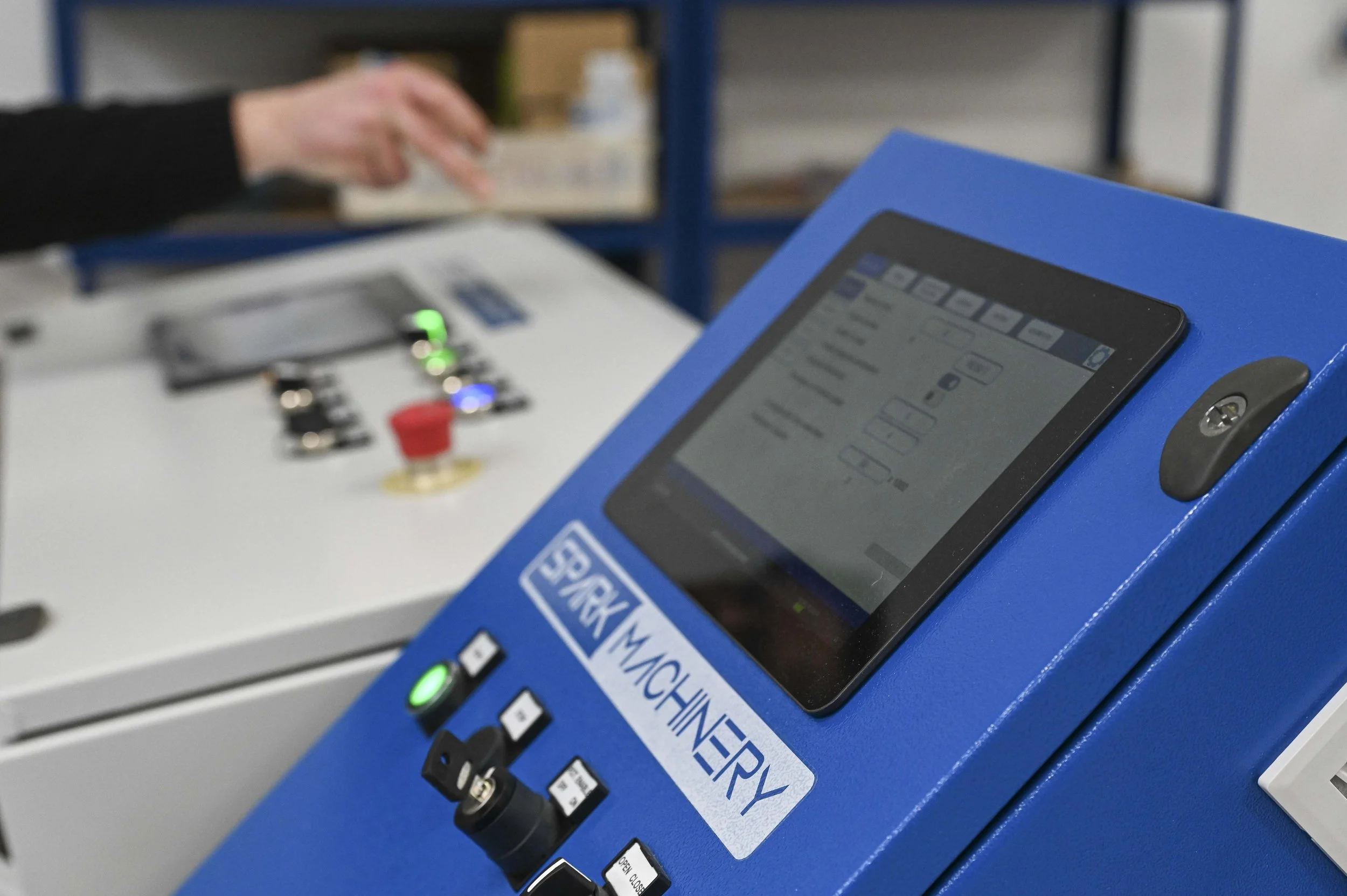
Choosing a partner like Spark Machinery provides the "process intelligence" required to integrate functional scoring into complex production lines. We understand exactly how a pre-cut interacts with different substrates—whether utilizing mechanical toothed blades or laser technology—to ensure the perfect execution of easy-tear and easy-open features.
Expertise is essential for:
Process Synergy: Ensuring pre-cuts are perfectly indexed for subsequent perforation or final conversion, which is vital for single-use products such as disposable gloves.
Modular Integration: Designing compact units that add easy-open or tear-off functionality to your existing line footprint without requiring a total overhaul.
-
It is a preparatory stage where a continuous web is mechanically or laser-scored to create functional features like easy-tear lines and accurately spaced tear-off points for single-use products.
-
It integrates high-value functionality—like easy-open laser paths—without overburdening the final assembly stage. This decoupling allows the production line to maintain high speeds while ensuring every tear-off interval is uniform.
-
Laminates, paper, and PE are best served by mechanical toothed blades for clean separation. Technical films such as BOPP, PET, and Aluminum benefit from high-precision laser scoring to create effortless easy-open or easy-tear features.
-
Yes. Pre-cutting establishes the geometric reference for subsequent perforation. This ensures that ventilation holes or functional patterns align perfectly with the designated tear-path or easy-open zone.
-
By configuring functional features on the flat web before filling or sealing, it prevents "value-added waste." Any alignment issues are addressed at the substrate level, avoiding the disposal of finished, filled packages.
Frequently Asked Questions About the Pre-Cutting Process
Why choose Spark Machinery?

-
Spark Machinery designs and builds high-performance systems known for their precision, durability, and consistent output. Our machines operate reliably even under high-speed, high-demand production conditions, delivering top-tier results with minimal downtime.
-
We don’t believe in one-size-fits-all. Every system is engineered based on the specific needs of our customers—whether it’s material type, production speed, perforation pattern, or integration with existing lines. This ensures optimal efficiency and seamless operation from day one.
-
Our commitment goes beyond machine delivery. We offer expert guidance during project planning, hands-on support during installation and training, and responsive service throughout the machine’s operational life. We're your partner before, during, and after purchase.
-
At Spark Machinery, continuous improvement is part of our DNA. We invest heavily in R&D and testing to develop cutting-edge laser technologies, improve system capabilities, and stay ahead of evolving market demands. Innovation is what keeps our customers competitive—and we deliver it with every machine.
Get expert advice for your Perforation Needs
Choosing the ideal pre-cutting machine can be a complex decision, given the diverse technologies and material considerations involved. To ensure you select the perfect solution for your specific needs, we invite you to a free, no-obligation consultation with our experts. Benefit from personalized insights into how the pre-cutting technology can optimize your production, enhance product quality, and drive efficiency, ensuring a smart investment tailored to your success.

PERSONAL CONTACT
Looking for advanced industrial packaging or custom perforation solutions?
Discover how tailored airflow, moisture control, and material efficiency can elevate your logistics and product protection.
Contact our team today to explore custom-engineered perforation systems designed for your specific industry needs.
👉 Get in touch now or request a free consultation
FEDERICA CANTAGALLI
Commercial Export Office
Spark Machinery’s solutions for pre-cutting process: