Perforated Lidding Films for Fresh Produce Packaging
Optimize food freshness and shelf-life with Spark Machinery’s high-precision lidding film perforation technology
What Are Perforated Lidding Films?
Perforated lidding films are specialized flexible barriers designed to securely seal trays, containers, or cups while allowing controlled gas exchange. Typically manufactured from high-performance polymers like PE, PET, or PP, these films feature precise micro or macro-perforations tailored to the product's respiratory needs. They serve as the backbone of breathable packaging solutions, regulating oxygen and moisture levels to extend the shelf-life of fresh produce and ready-meals. By maintaining optimal internal atmospheres, they prevent spoilage without compromising seal integrity or high-speed line efficiency.
How Perforated Lidding Films Work in Modified Atmosphere Packaging (MAP)
Perforated lidding films dynamically regulate internal atmospheric composition by establishing a controlled exchange of O2 and CO2. By restricting oxygen entry and allowing metabolic carbon dioxide to escape, the film slows down the natural respiration rate of fresh produce, delaying senescence, mold growth, and cellular breakdown.
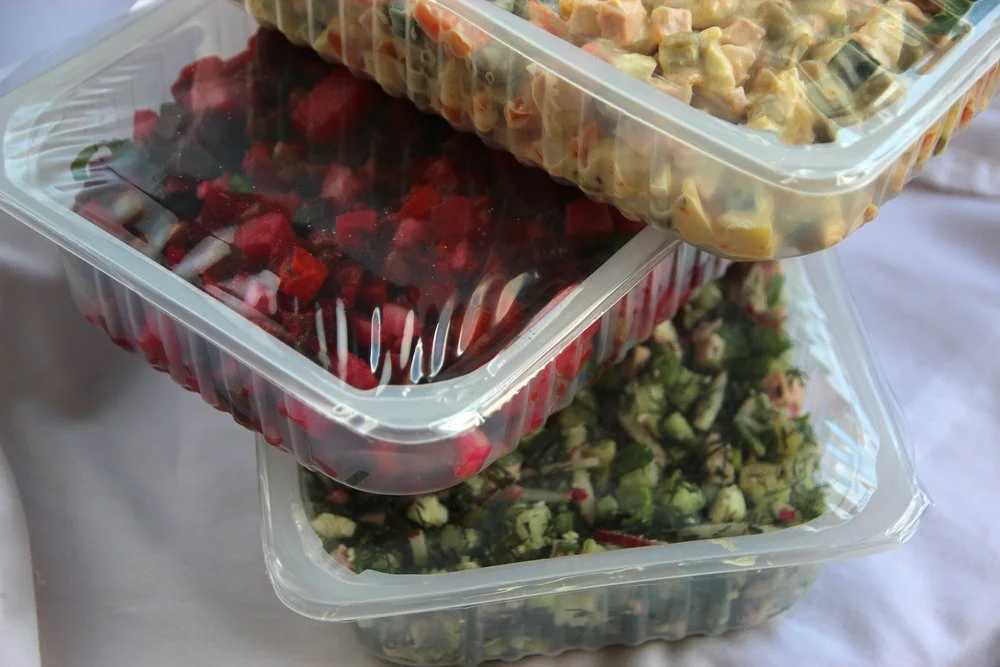
Controlling Gas Exchange in Fruit and Vegetable Packaging
Different produce types exhibit distinct Equilibrium Modified Atmosphere (EMA) requirements. High-respiration items like berries or leafy salads demand higher gas throughput compared to low-respiration items. Perforation matrices—defined by hole diameter, density, and pitch—are mathematically optimized to match these specific biological respiration rates, balancing the O2 transmission rate (OTR) and CO2 transmission rate to prevent anaerobic fermentation.
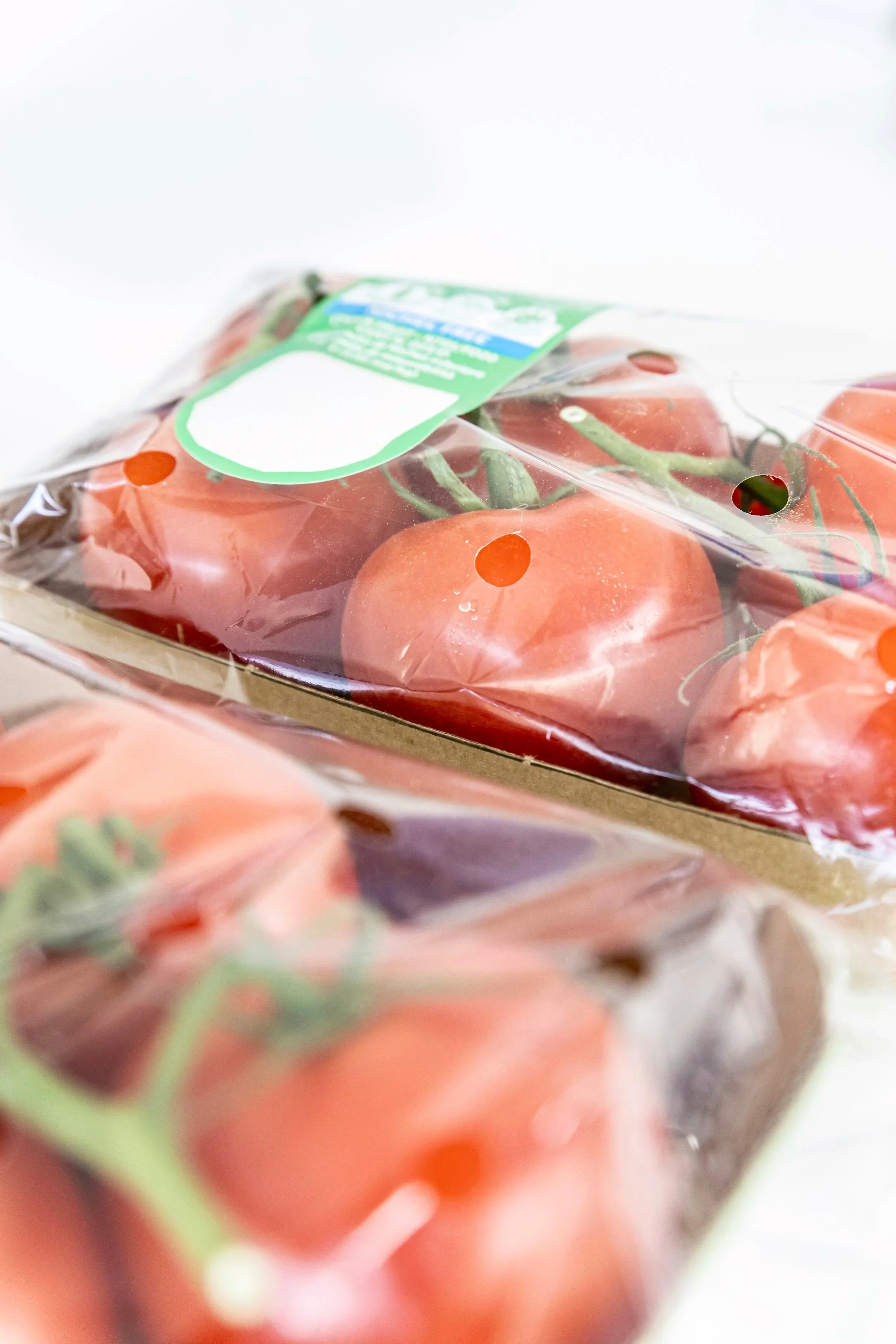
Moisture Control and Anti-Fog Performance
To manage the high relative humidity generated by produce transpiration, the micro-apertures facilitate the venting of excess water vapor, stabilizing the Moisture Vapor Transmission Rate (MVTR). When paired with anti-fog surfactants, this moisture regulation eliminates droplet condensation on the film's inner surface. This ensures maximum optical clarity and product visibility while preserving structural crispness and extending shelf life.
Types of Perforation Used in Lidding Films
The selection of perforation technology dictates the structural, optical, and aerodynamic properties of the lidding film. The chosen method directly influences hole geometry, pattern repeatability, and mass transfer coefficients, altering how effectively the packaging manages gas and vapor transport.
Laser Perforation
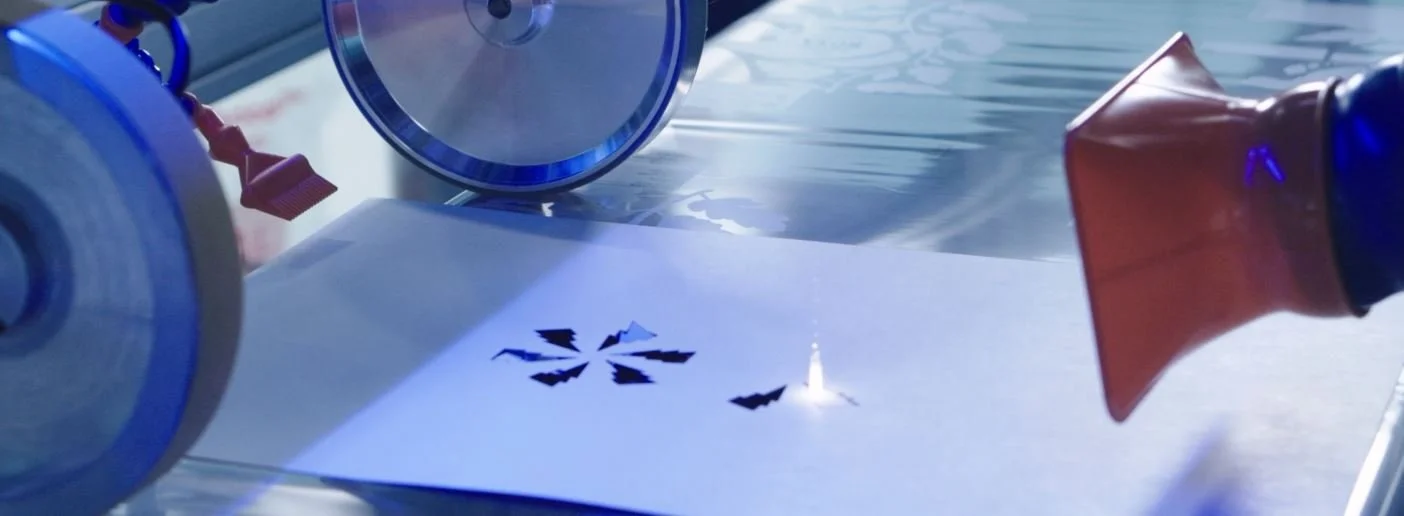
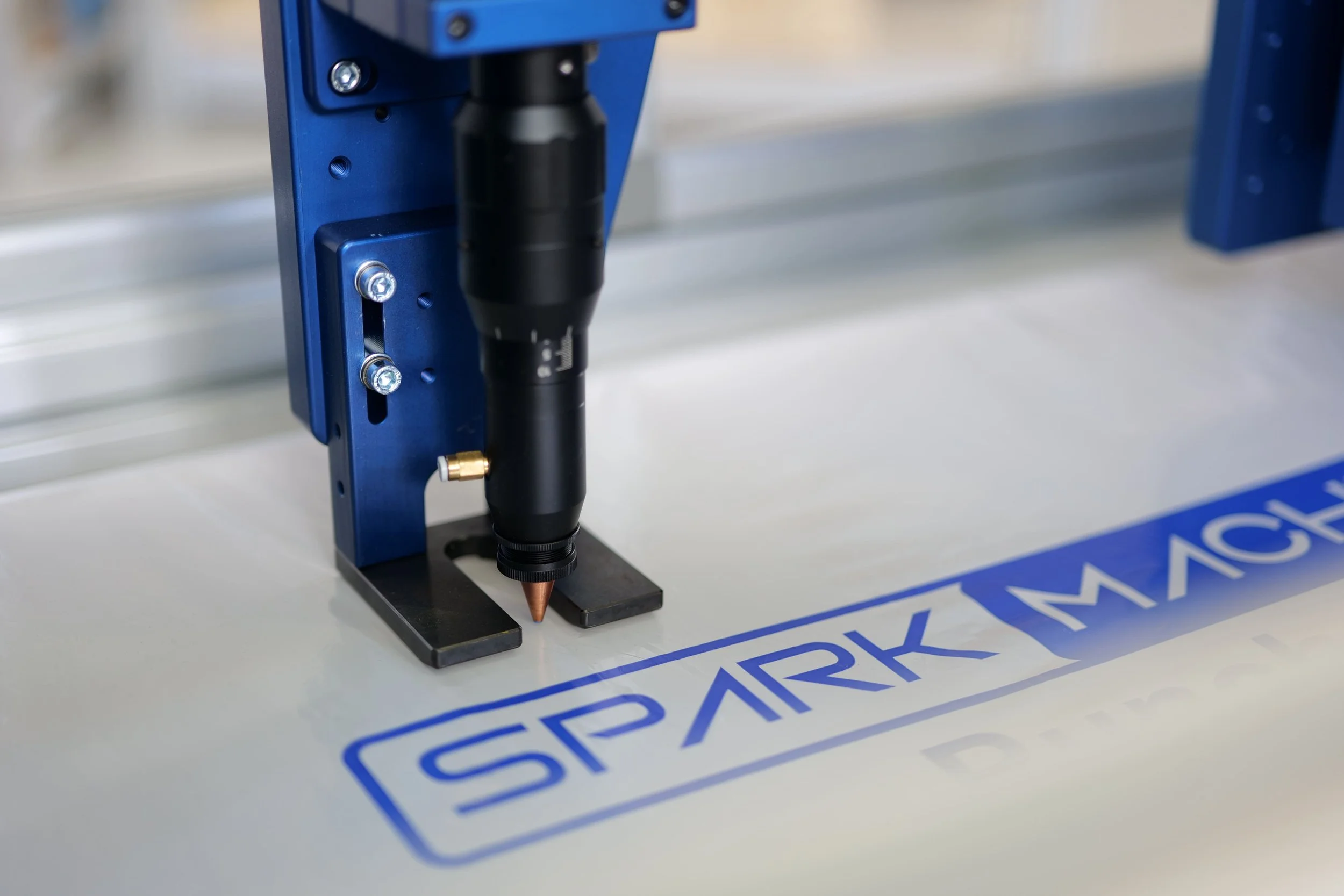
Laser technology utilizes highly focused thermal energy to sublimate precise microscopic holes (typically 40 to 200 microns) at extreme processing speeds. This non-contact method ensures total pattern consistency and allows for real-time adjustments to match specific Modified Atmosphere Packaging (MAP) specifications. Crucially, the laser melt-lips cauterize the hole margins, reinforcing the polymer matrix against tearing during high-tension web handling.
Macro Perforation
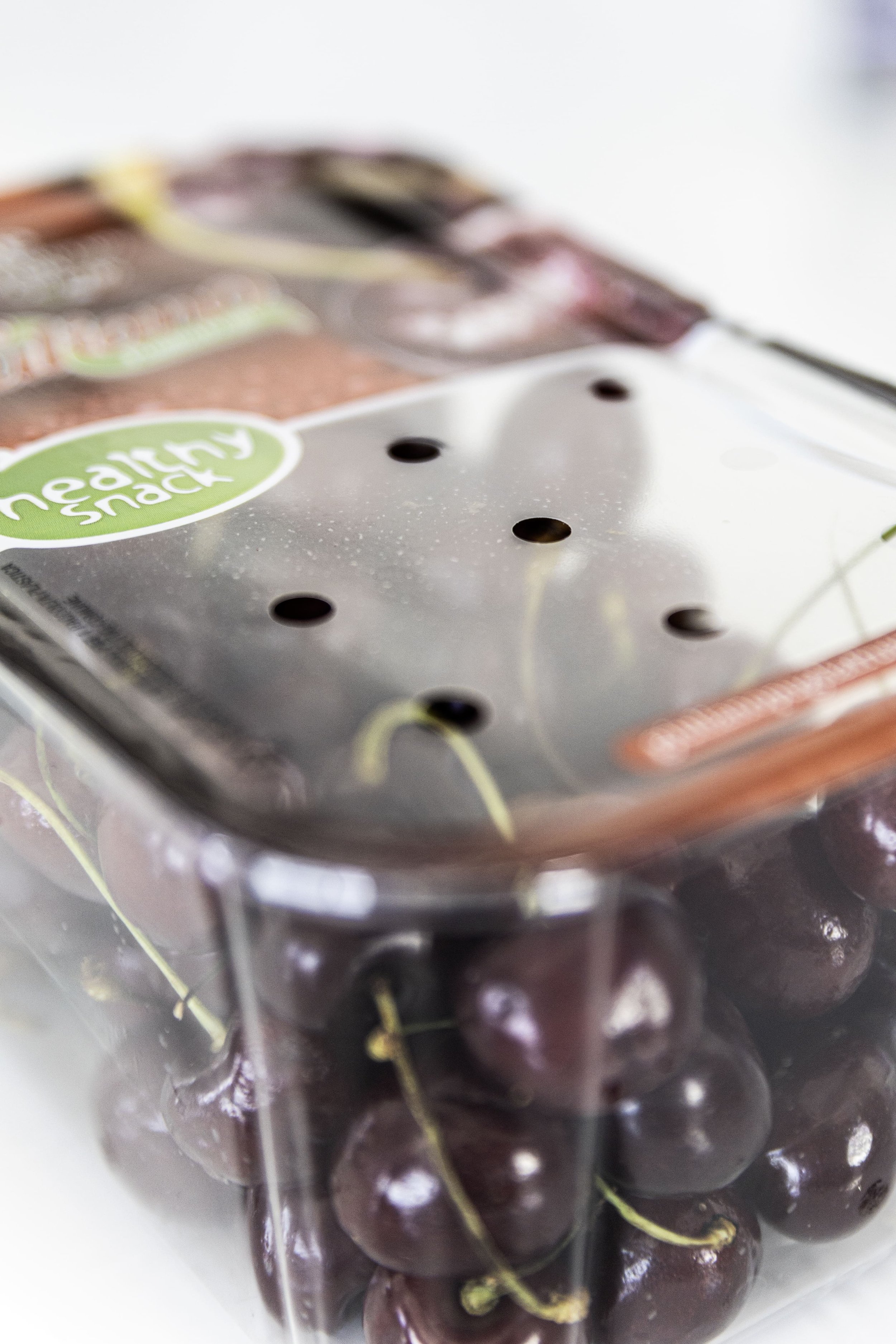
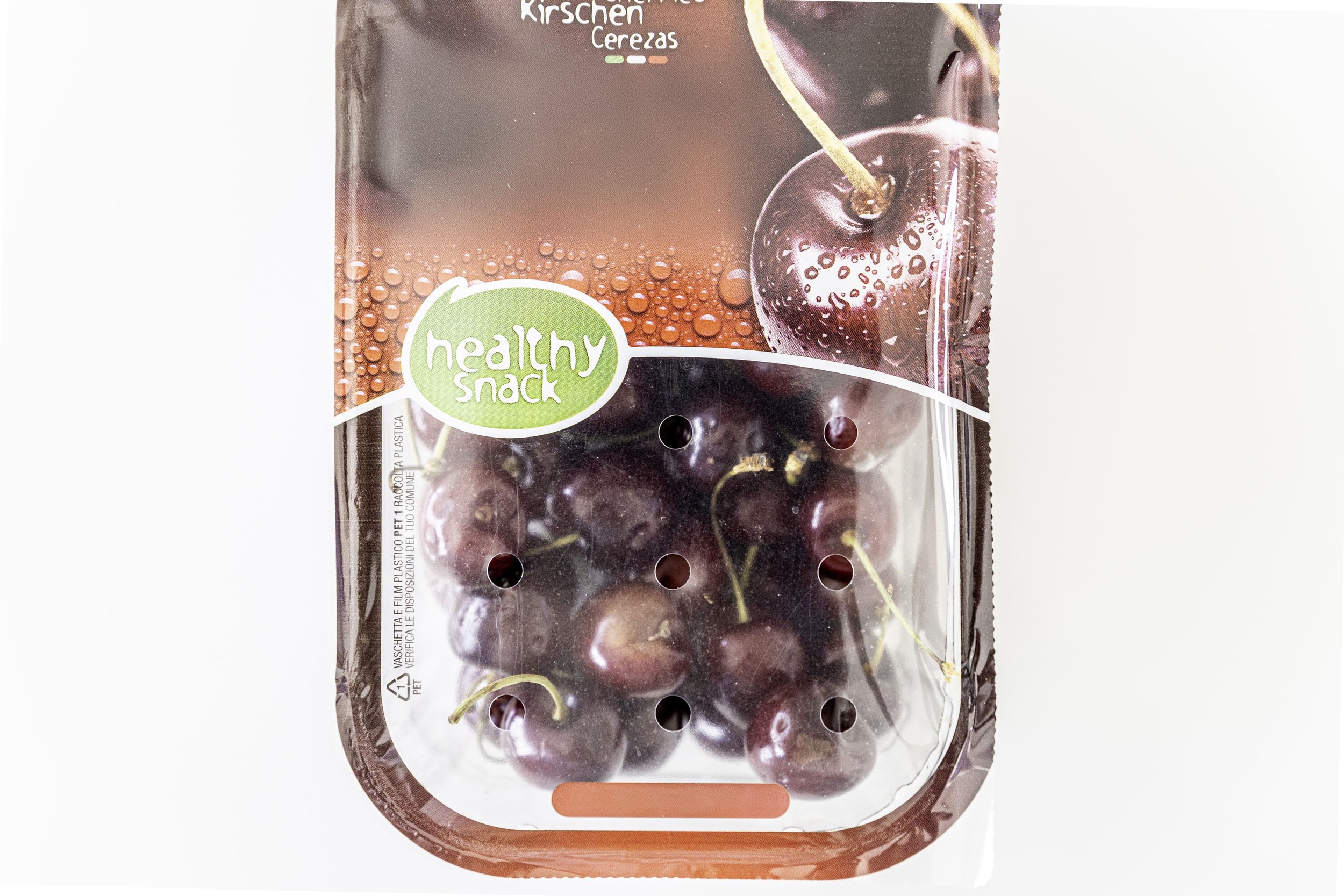
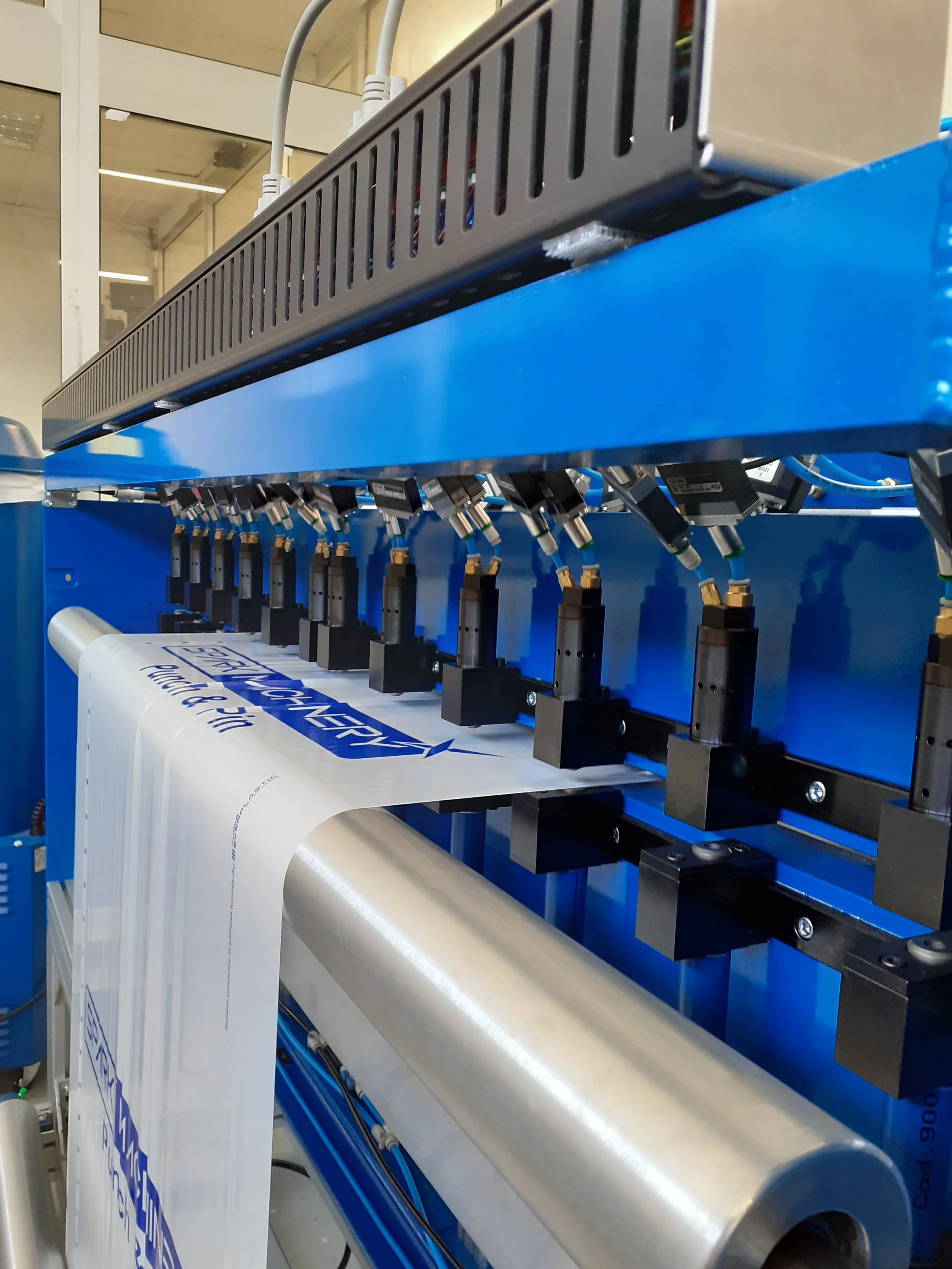
Macro perforation involves mechanical punching systems to generate larger apertures, generally ranging from 5 to 8 mm in diameter for these kind of applications. This technique is engineered for high-volume airflow and rapid moisture evacuation. By providing large escape pathways for transpirational vapor, macro-holes act as a mechanical anti-fog and anti-moisture solution, eliminating condensation buildup in highly humid packaging environments.
Microperforation vs. Macro Perforation
The choice between micro and macro architectures depends entirely on the product’s biological respiration profile and shelf-life strategy.
Microperforated films are deployed for true MAP applications involving living, respiring produce like berries, baby leaf salads, and pre-cut vegetables. They maintain a precise equilibrium of O2 and CO2 to slow down aging.
Macroperforated films are utilized for high-transpiration products requiring maximum ventilation rather than a modified atmosphere, such as citrus fruits, potatoes, or field tomatoes, where preventing moisture accumulation and mold is the primary objective.
Common Applications of Perforated Lidding Films
Perforated lidding films are vital across multiple sectors of the food packaging industry, serving as a primary defense against premature spoilage in fresh, processed, and volatile product categories.
Fruit Lidding Film for Fresh Produce
Fruit lidding film solutions are highly optimized for delicate berries, grapes, and soft fruits. By establishing a stabilized internal atmosphere, these films prevent the anaerobic fermentation and skin breakdown common in high-value, highly sensitive fresh produce.
Vegetable Lidding Film for Fresh and Prepared Foods
For pre-washed salads, leafy greens, and cruciferous cut vegetables, customized vegetable lidding film patterns are essential. The precise spacing of the apertures permits the continuous venting of metabolic gases, preventing the yellowing of leaves and eliminating the sour odor caused by moisture accumulation inside the tray.
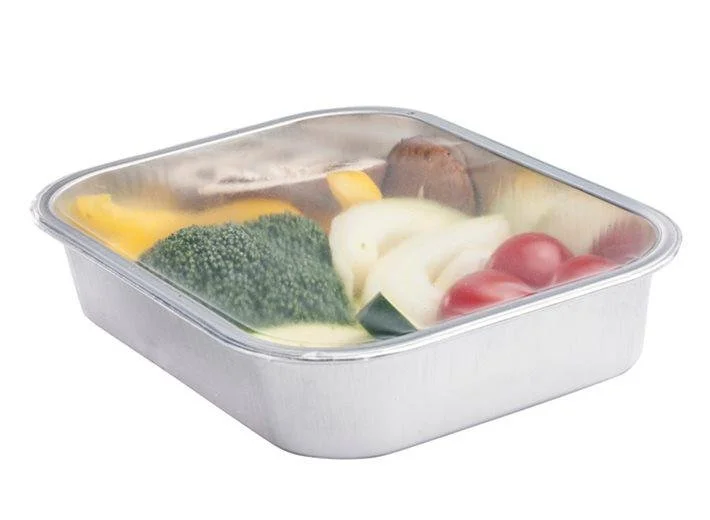
Additional Applications
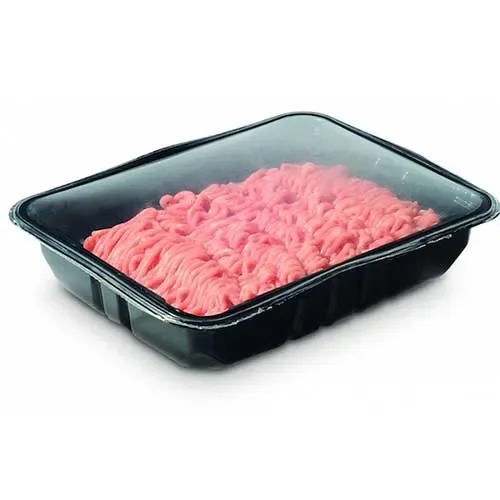
Beyond fresh produce, breathable films are deployed in ready meals, seafood, and specific meat packaging applications. Here, they allow for controlled steam release during microwave reheating, manage gas expansion in high-protein products, and provide durable, puncture-resistant barrier protection.
The Role of Perforation Technology in Packaging Innovation
Modern perforation technology has shifted flexible packaging from passive containment to an active, responsive bio-atmosphere manager. Advanced processing systems allow manufacturers to program hole diameter, density, and multi-zone spatial distribution with micrometric repeatability. This level of customization ensures that packaging can be adapted to the exact respiration profile of any given biological substrate.
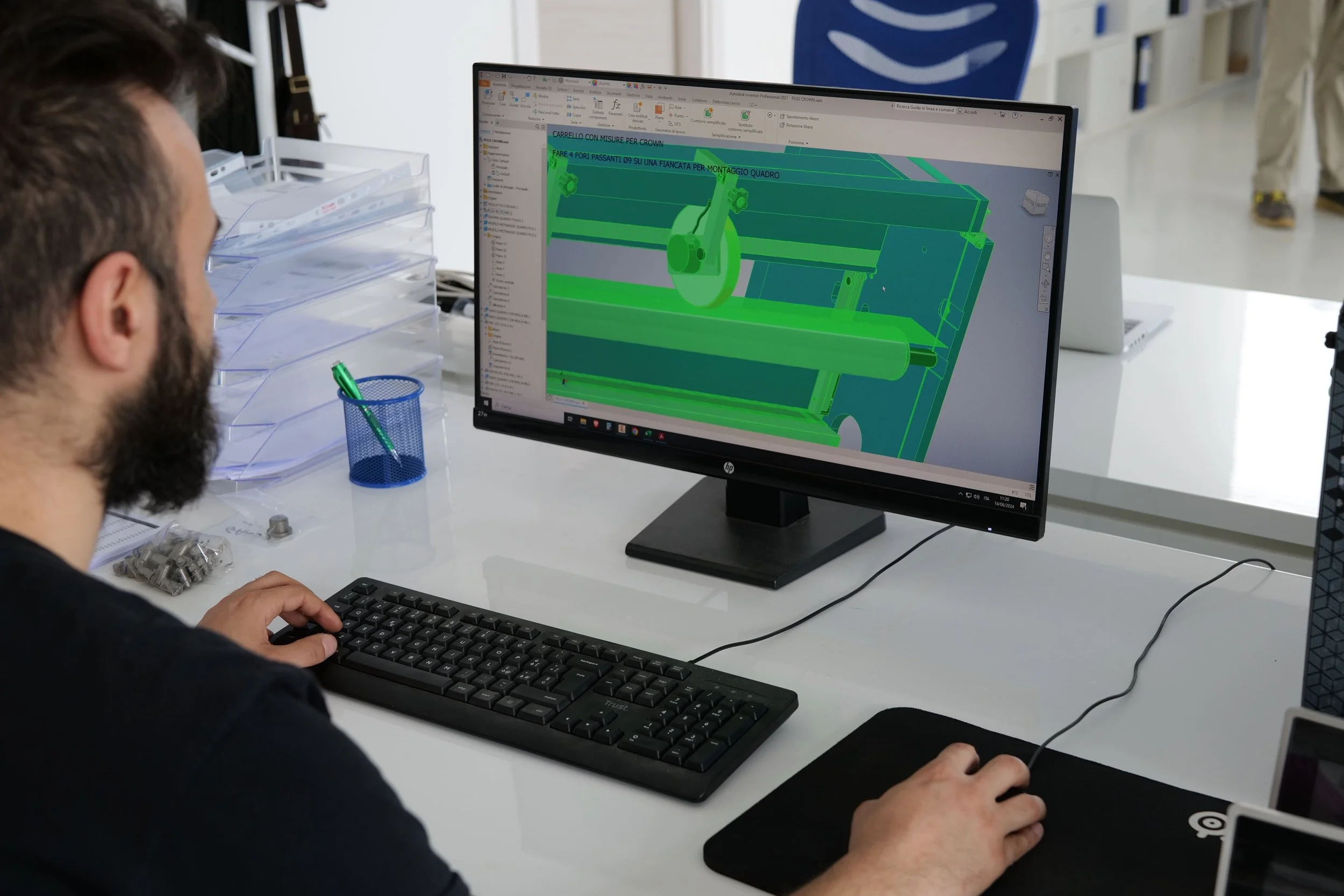
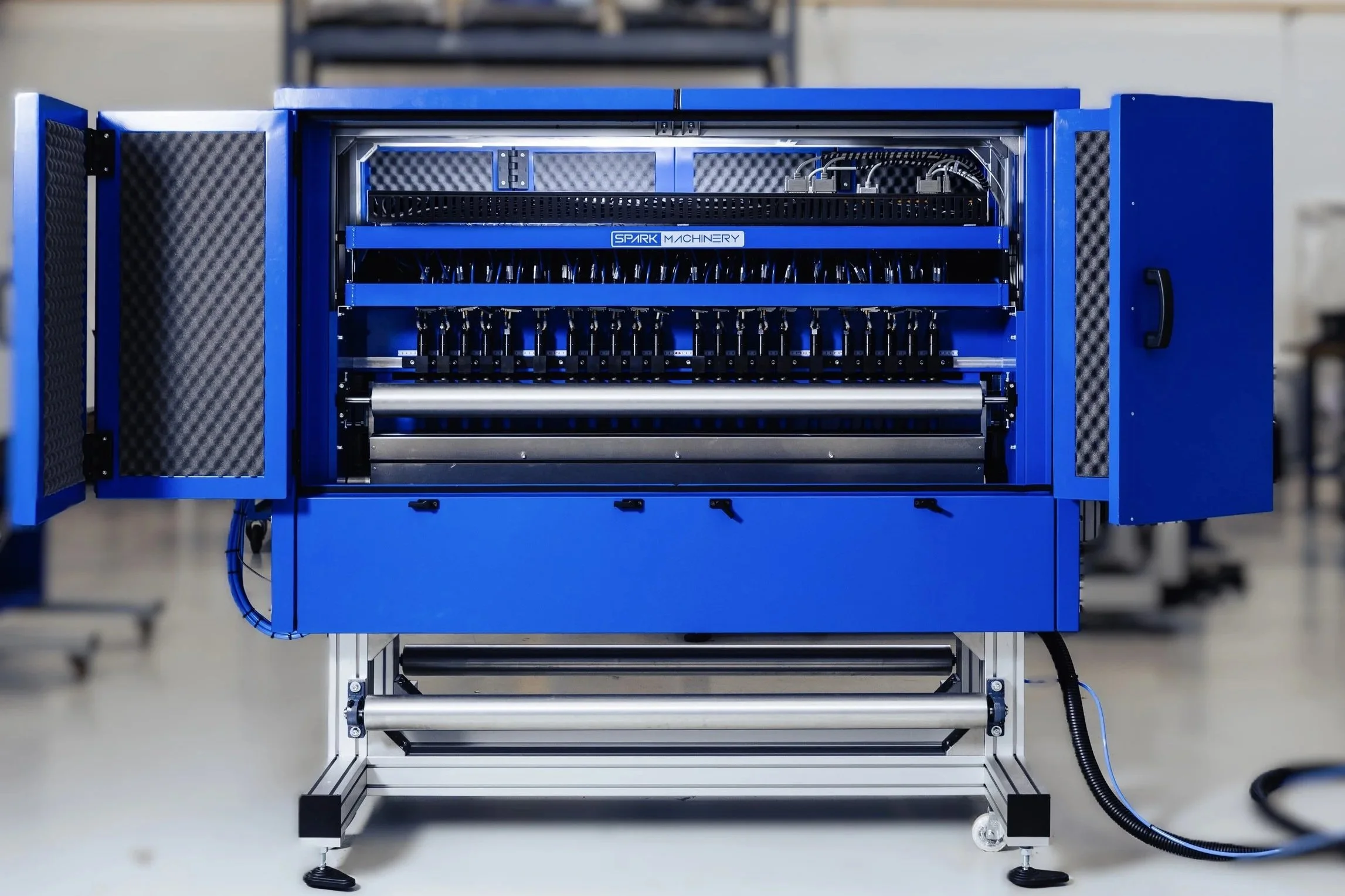
Achieving this optimization requires a blend of polymer science and mechanical engineering expertise. By integrating high-precision laser and mechanical systems directly into high-speed conversion lines, Spark Machinery enables producers to fine-tune gas and moisture transmission rates without compromising web tension or seal integrity. Ultimately, these tailored perforation innovations allow brands to minimize food waste, cut down on chemical preservatives, and achieve the longest possible shelf life across global supply chains.
Looking for expert advice on advanced perforation solutions for lidding films?
Partner with Spark Machinery to optimize your packaging performance. Our engineering team delivers custom micro and macro perforation systems tailored to your specific material and GTR requirements. From initial design to long-term operational support, we ensure your line runs with maximum efficiency.

PERSONAL CONTACT
Looking for advanced industrial packaging or custom perforation solutions?
Discover how tailored airflow, moisture control, and material efficiency can elevate your logistics and product protection.
Contact our team today to explore custom-engineered perforation systems designed for your specific industry needs.
👉 Get in touch now or request a free consultation
DANA NURTAZINA
Commercial Export Office
Our Laser and Macro perforation solutions for perforating lidding films: