
Perforating Automotive Materials: Machines, Methods and Key Benefits
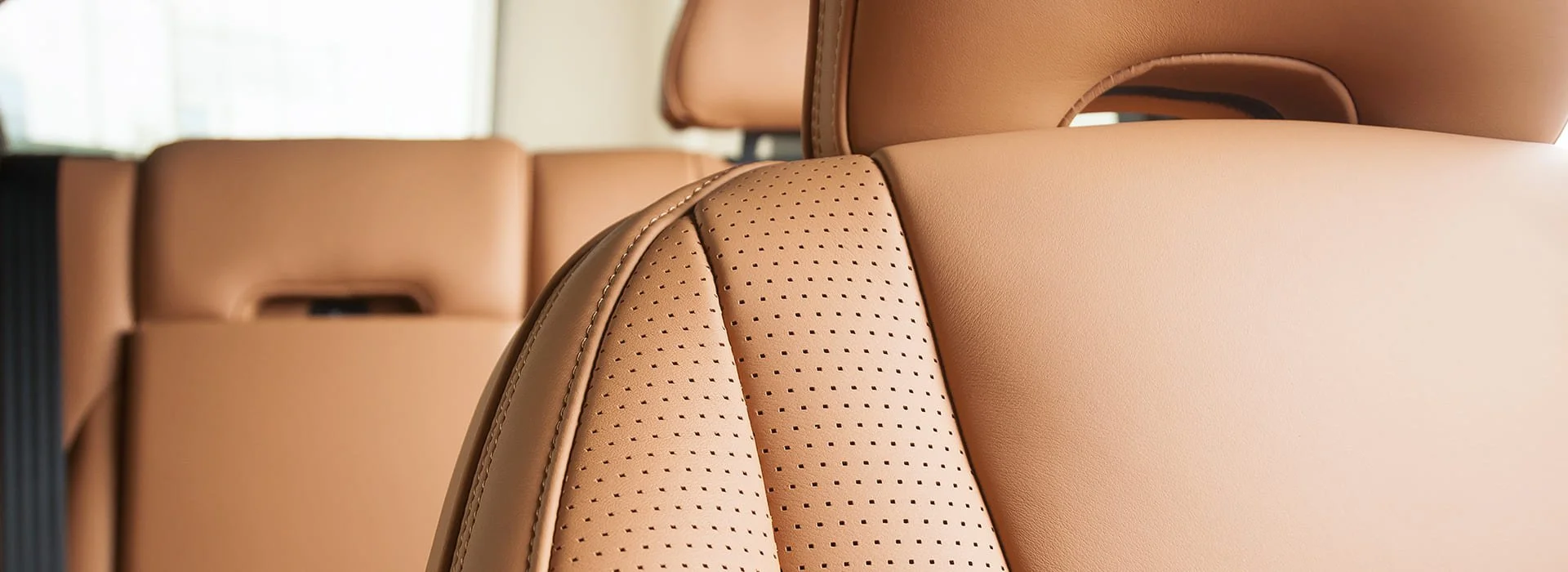
Perforating automotive materials is a specialized technical process used to create precise hole patterns for vehicle interiors, including seats, steering wheels, and trim components. Perforated automotive materials combine aesthetic design, driver comfort, and functional performance by improving breathability, temperature transfer, tactile grip, and acoustic behavior.
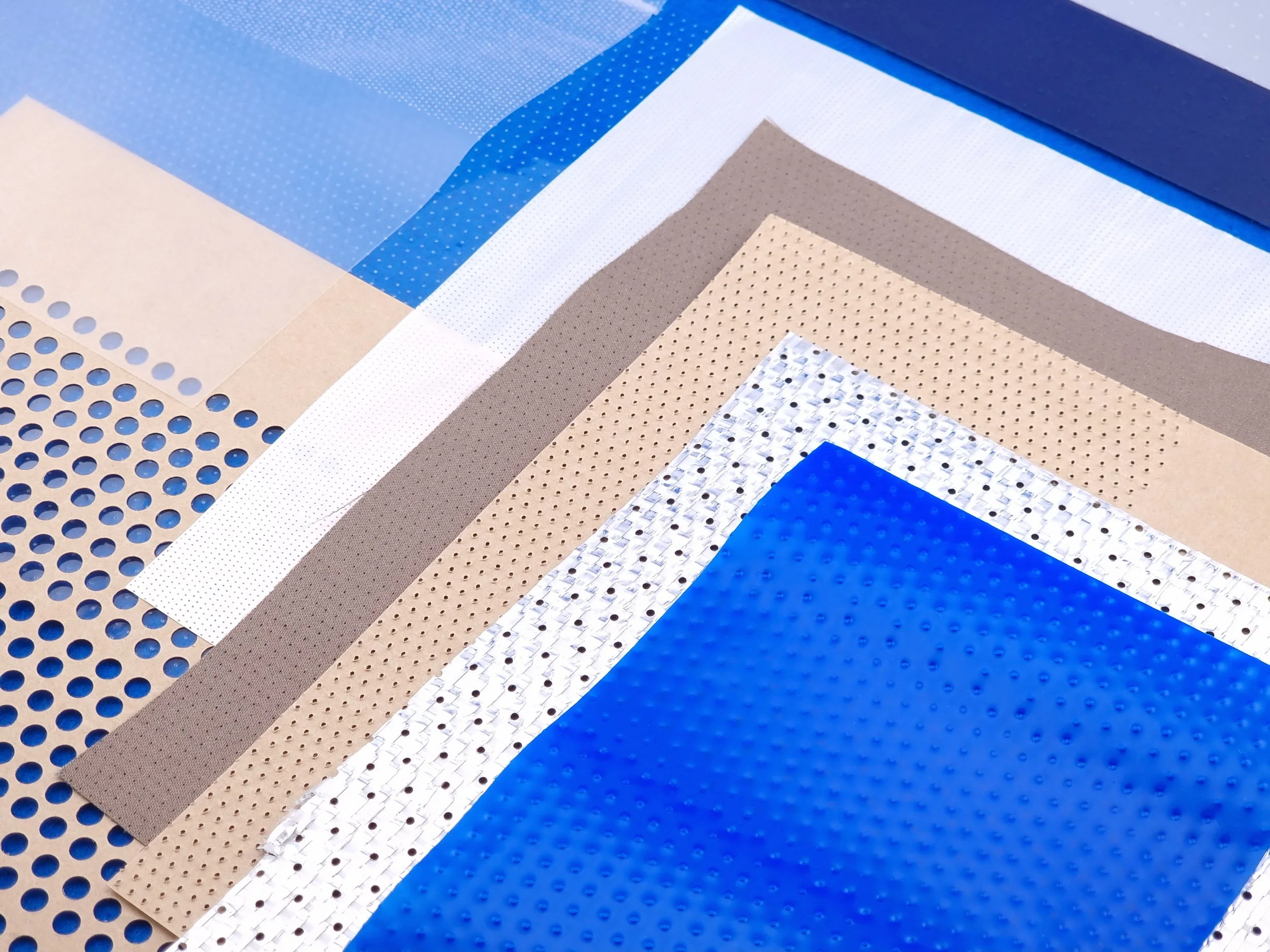
Spark Machinery is your dedicated technical partner, providing manufacturers with reliable, repeatable, and production-ready perforation solutions for a wide range of automotive interior materials. Our advanced machinery is specifically engineered to process the industry's most demanding materials, including faux leather, expanded PO, fabric and PO laminates, PE and fiberglass laminates, and aluminized fabric laminates.
Ready to enhance your automotive interiors with precision perforation?
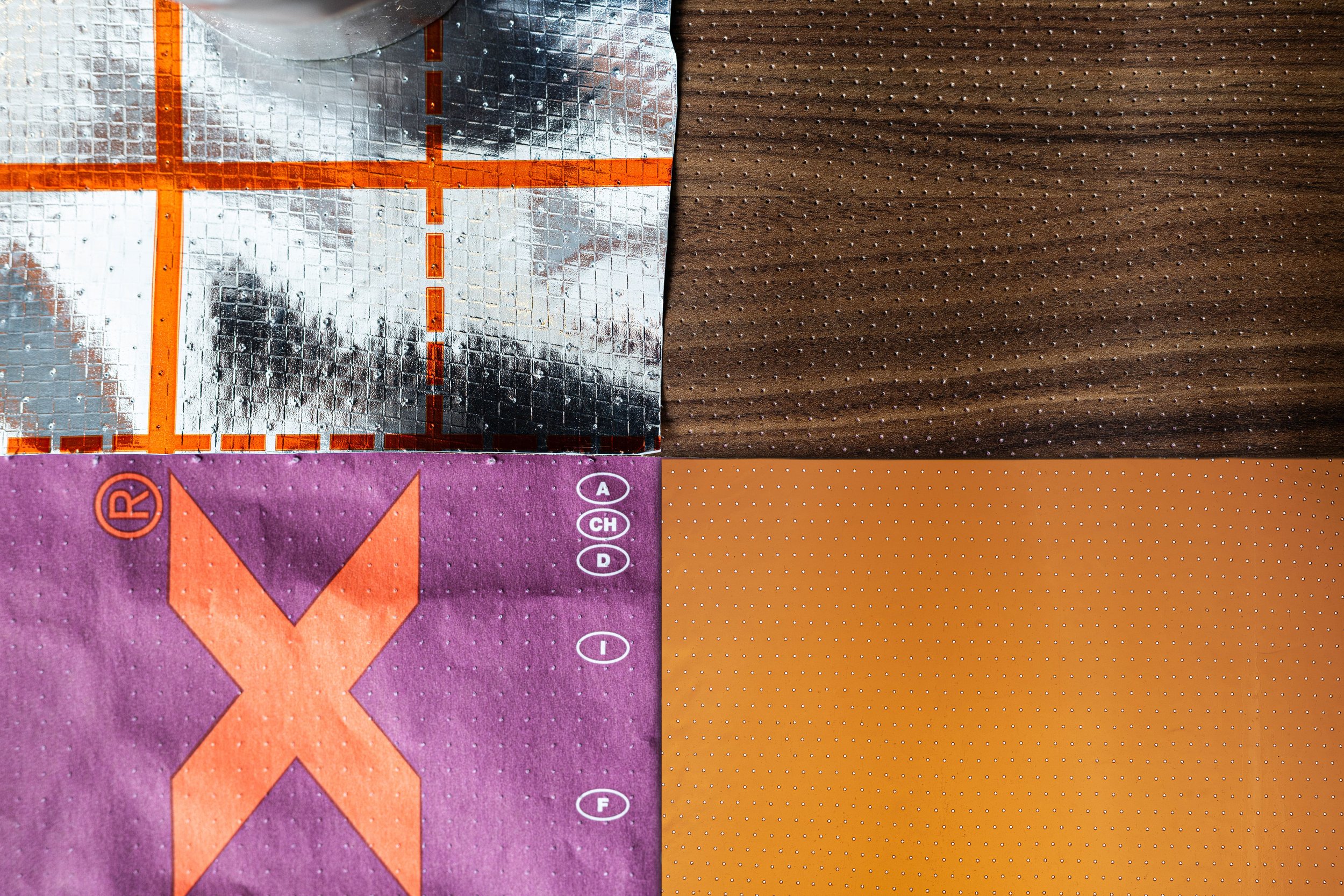
Table of Contents
What Are Perforated Automotive Materials?
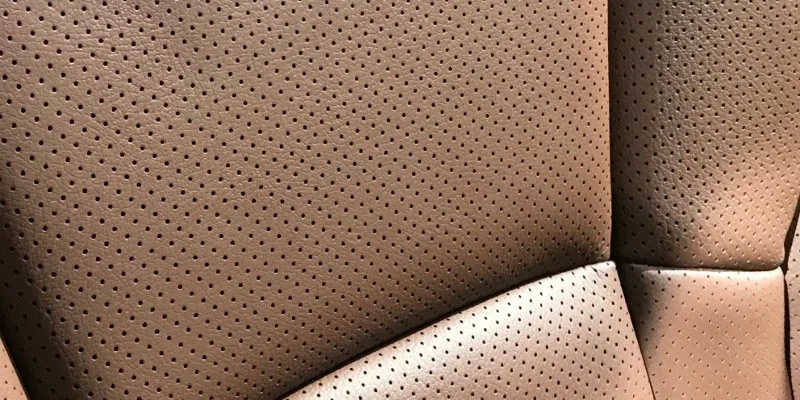
Perforated automotive materials are engineered substrates—including natural and synthetic leathers, technical textiles, and multi-layer laminates—processed with precise matrices of micro- or macro-holes. These openings are not decorative accents; they are functional, engineered interfaces designed to regulate airflow, improve seating ergonomics, alter surface texture, optimize climate-control efficiency, and elevate interior aesthetics. Perforated materials are an industry benchmark across premium vehicle seating, actively ventilated seats, steering wheel wraps, and specialized interior trim panels.
Why Perforating Automotive Materials Matters in Vehicle Interiors
Automotive interior components must satisfy stringent requirements for mechanical durability, occupant comfort, aesthetic refinement, and high-volume production consistency. For OEMs and tier-1 interior suppliers, perforated materials deliver a multi-functional surface solution across diverse cabin platforms.
-
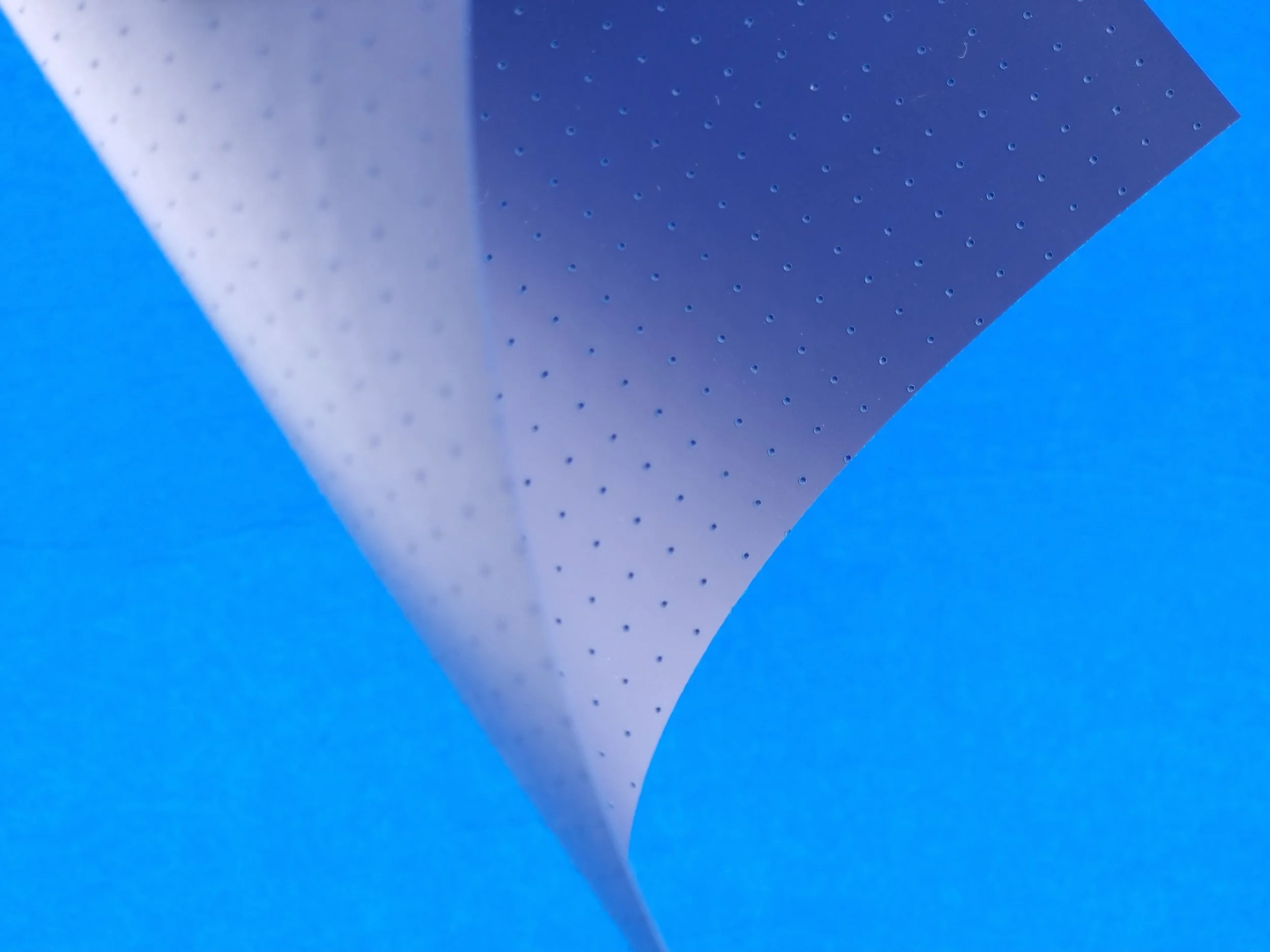
Perforation patterns enable passive air circulation across contact surfaces. Allowing trapped body heat and ambient moisture to dissipate prevents the warm, clammy sensation common to smooth, non-porous surfaces during warm weather or extended driving. This passive thermal balance directly improves long-distance occupant comfort and satisfies rising consumer expectations for premium interior ergonomics.
-
Perforated surfaces are critical for active seat heating, cooling, and ventilation systems. The engineered openings provide a direct path for forced airflow and thermal energy from underlying blowers and heating elements to reach the occupant. Hole diameter, spacing pitch, and pattern uniformity dictate airflow distribution efficiency and ensure immediate, balanced climate response.
-
Perforation alters the physical surface friction of technical substrates. The textured surface minimizes occupant slipping during cornering, braking, and dynamic vehicle maneuvers compared to flat, continuous materials. On steering wheels, this mechanical texture provides improved tactile grip and control under varying operating conditions.
-
When integrated into multi-layer composite structures—such as door inserts, pillars, and acoustic barrier assemblies—perforated materials contribute directly to cabin sound management. Calibrated open-area ratios allow sound waves to penetrate into absorbing core layers, damping ambient cabin noise, vibration reverberations, and high-frequency road hiss.
-
Perforated surfaces remain an established visual signature of luxury, sport, and bespoke OEM vehicle tiers. By adjusting hole geometries, pitch density, gradients, and custom graphic layouts across genuine leathers, synthetics, and technical fabrics, manufacturers can achieve distinctive brand aesthetics without compromising functional surface requirements.
Perforation Technologies for Automotive Materials
Selecting the right perforation technology depends on substrate composition, target hole diameter, production volume, and edge-finish requirements. Spark Machinery provides dedicated industrial systems engineered specifically for automotive interior applications:
-
Macro perforation is engineered for high-volume manufacturing requiring defined, larger hole matrices. It delivers high throughput, rugged tooling longevity, and consistent hole geometry across dense synthetic leathers, expanded PE, and structural technical laminates.
-
Hot needle perforation creates precise micro-openings with thermally sealed, uniform edges. The controlled heat stabilizes hole margins in faux leather, expanded PE, and fabric-backed laminates, preventing fiber fraying and structural collapse while maintaining high continuous web speeds.
-
Laser perforation provides non-contact, high-precision processing for complex geometries, gradient layouts, and ultra-fine patterns. Operating digitally without physical tool wear, laser systems deliver clean apertures across multi-layer composites, aluminized textiles, and specialized trim components.
How Perforating Automotive Materials Works
The industrial perforation workflow—from raw material feeding and alignment to hole formation and quality inspection—must be strictly controlled. Exact processing parameters depend on the substrate, whether processing faux leather, expanded PE, or technical composite laminates, as well as the target hole matrix, throughput speed, and downstream assembly requirements.
-
Perforation patterns are defined by hole diameter, geometry, spacing pitch, density, and total open-area percentage. Whether utilizing round, square, hexagonal, or bespoke layouts, pattern design directly dictates breathability, climate-control efficiency, surface grip, acoustic absorption, and OEM visual specifications.
-
Industrial processing requires continuous, stable web handling. Synthetics, foams, and multi-layer laminates must be guided through the system with precise edge alignment and calibrated tension control. This prevents pattern distortion, wrinkles, stretching, and irregular pitch spacing across the roll.
-
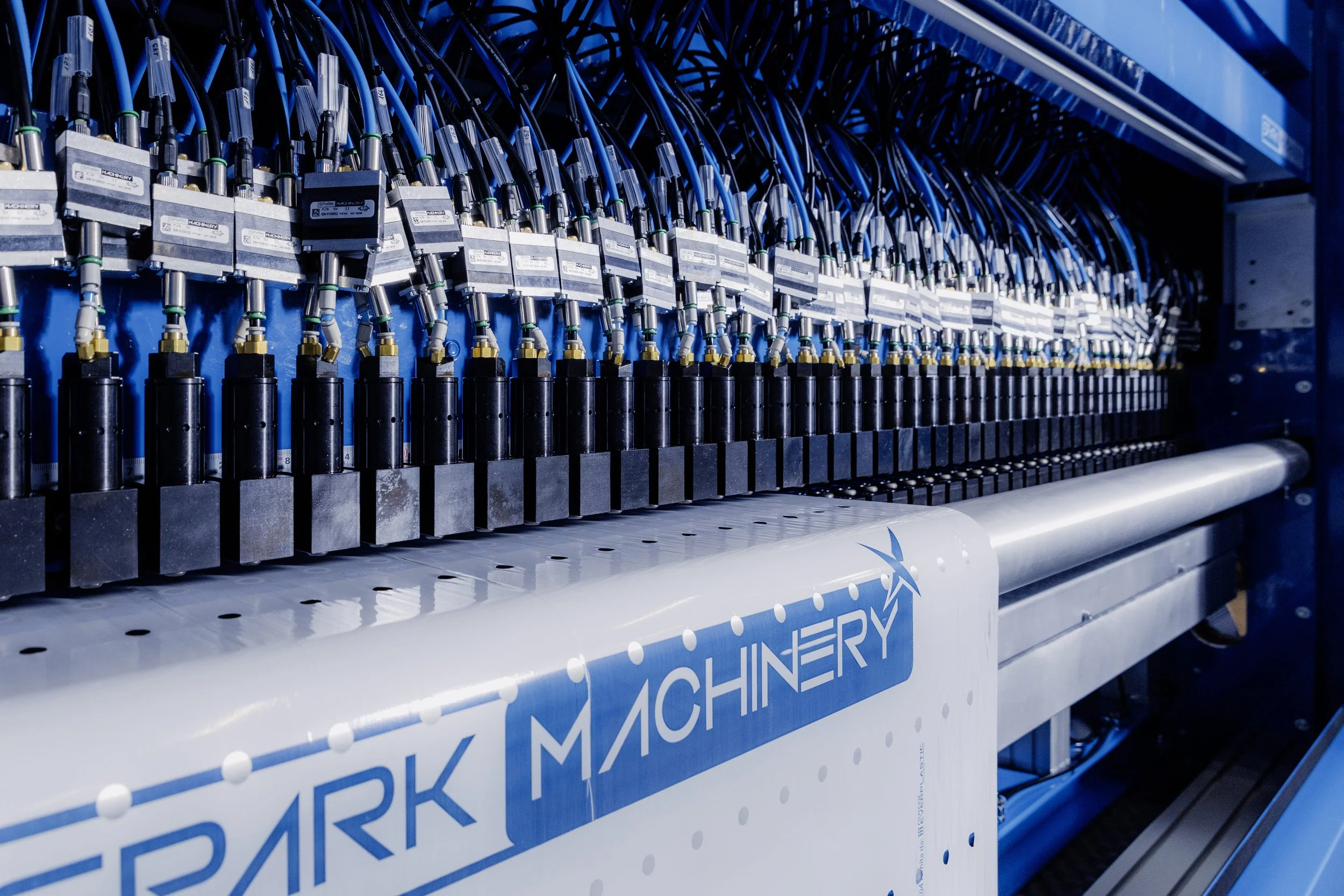
The system generates the specified hole array using specialized tooling engineered for the target substrate. Tool selection, cycle speed, and operational parameters must be precisely calibrated to material thickness, core density, and backing structure to guarantee clean aperture edges without tearing, melting, or substrate degradation.
-
Automotive tier suppliers require absolute repeatability in hole size, pitch accuracy, and pattern alignment across large production runs. Quality verification relies on inline process monitoring, optical pattern inspection, batch tracking, and regular dimensional sampling to ensure strict OEM compliance.
Upgrade Your Automotive Perforation Lines
Discover how Spark Machinery’s hot needle, macro, and laser perforation systems can optimize your production of faux leather, technical foams, and laminates. Contact our technical team today to discuss your manufacturing specifications.

Perforating machine for automotive manufacturers: What to look for
Automotive production demands zero failure rates, tight tolerances, and maximum line availability. Spark Machinery backs every project with dedicated engineering services and full lifecycle support to ensure seamless integration into automotive interior manufacturing workflows.
-
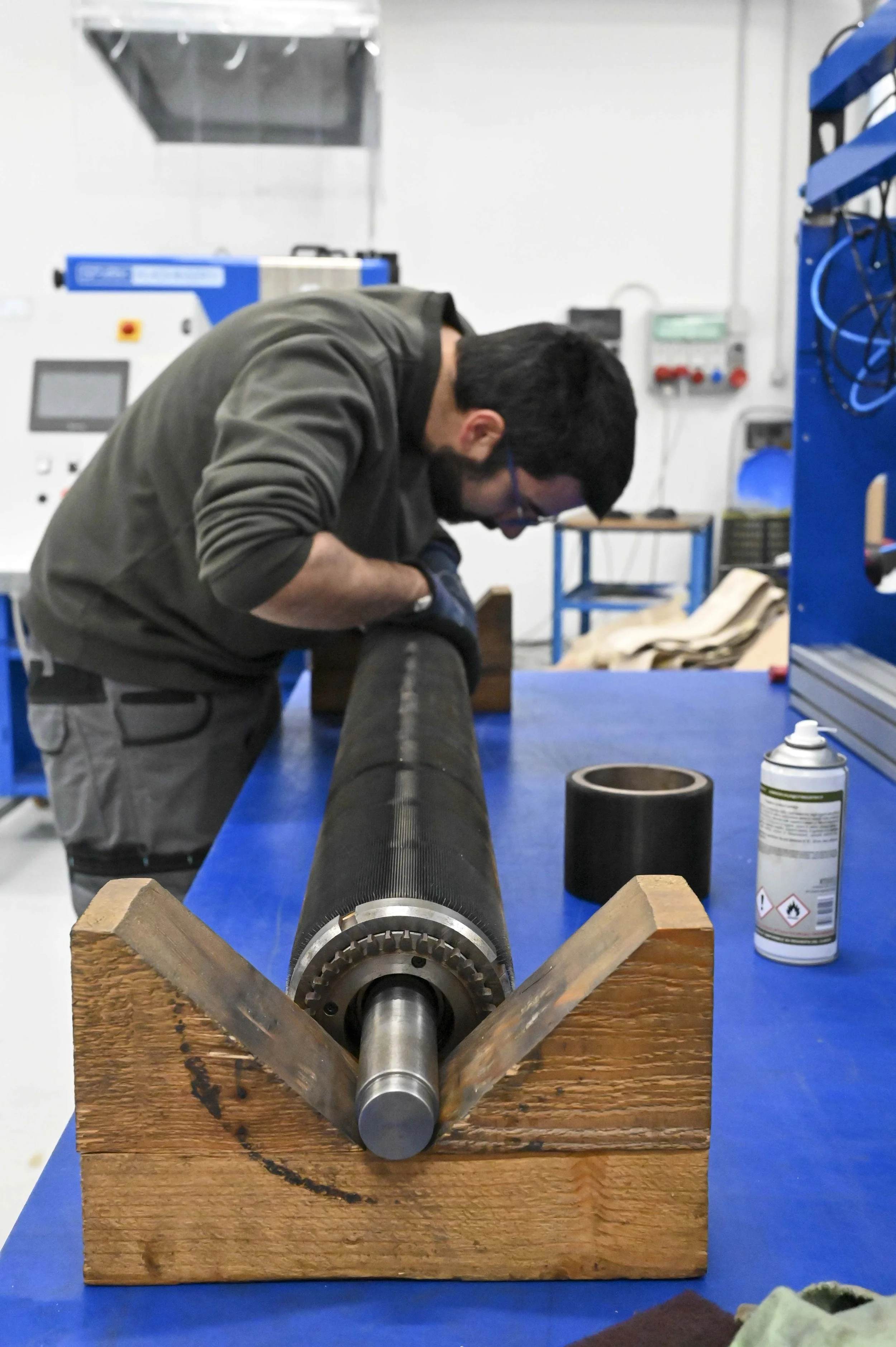
Every substrate behaves differently under heat, mechanical force, or laser energy. Spark Machinery conducts rigorous perforation trials directly on your proprietary materials—including faux leathers, expanded PE, and multi-layer composites. These tests determine the precise process parameters, feed speeds, and tooling configurations required to achieve clean edge definition, structural integrity, and OEM compliance before equipment build.
-
Production footprints, roll widths, and material tensions vary significantly across manufacturing plants. Spark Machinery engineers custom perforation systems tailored to your specific operational constraints. From specialized unwind/rewind modules and synchronized tension control for delicate laminates to multi-technology hybrid configurations, each machine is built to fit your exact line layout.
-
Sustained production uptime is critical for tier-1 automotive suppliers. Spark Machinery provides full on-site installation, systematic operator and maintenance training, planned service schedules, and fast turnaround on replacement tooling and wear parts. This ensures rapid commissioning and continuous, repeatable performance across high-volume production cycles.
-
To eliminate costly production downtime, Spark perforation machinery integrates advanced tele-service capabilities. Our technical engineers can connect directly to your system via secure remote access to perform live diagnostics, troubleshoot PLC parameters, optimize processing recipes, and resolve technical issues without waiting for an on-site technician.
Applications of Perforated Automotive Materials
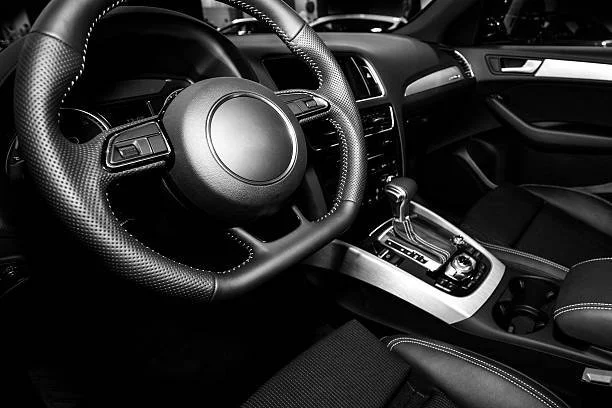
Automotive interiors utilize perforated materials—including faux leather, genuine hides, expanded PE, and multi-layer technical laminates—to address precise ergonomic, thermal, and mechanical demands. Precision perforation is deployed across key cabin components where surface performance and aesthetic standards intersect.
-
Seating inserts represent the highest-volume application for perforated automotive materials. Micro- and macro-perforation arrays allow forced airflow from ventilation blowers and thermal energy from integrated heating elements to transfer directly to the occupant. The engineered opening ratio ensures uniform climate distribution and passive breathability while preserving the tensile strength and seam durability of the seat cover.
-
Steering wheel wraps, gear selectors, and high-touch cabin surfaces use perforated faux leather and technical synthetics to optimize tactile feedback and reduce moisture accumulation. Perforation patterns for these components require precise hole geometry and pitch spacing to enhance physical grip without weakening the substrate during tight-radius wrapping, stitching, and high-tension assembly.
-
Perforated laminates, aluminized fabrics, and composite assemblies are integrated into door cards, pillar trims, instrument panels, and headliners. Beyond providing distinct visual detailing across luxury and sport vehicle trims, calibrated hole patterns allow ambient acoustic waves to penetrate into underlying dampening materials, improving cabin sound insulation and vibration control.
-
Specialty vehicle manufacturers, tier suppliers producing low-volume OEM editions, and industrial restoration suppliers require flexible perforation capabilities. Industrial tooling allows production facilities to replicate legacy pattern specifications or execute custom, small-batch perforation designs across modern synthetic leathers and composite substrates with consistent pitch accuracy.
Common Challenges in Perforating Automotive Materials
Perforating automotive interior substrates requires precise mechanical and thermal control. Materials such as faux leather, expanded PE, woven laminates, and technical composites exhibit distinct physical behaviors, including variable elasticity, multi-layer shear, and heat sensitivity. Processing these substrates at industrial scale involves several critical engineering challenges:
-
Every perforation alters the substrate's structural integrity. If hole density is too high, pitch spacing too tight, or the pattern overly aggressive, the material loses tensile strength and tear resistance. This leads to premature failure during high-tension seat upholstery stretching, 3D contour wrapping, or seam stitching. Tooling parameters and hole layout must be calibrated to achieve necessary open-area ratios while retaining structural margins.
-
Flexible synthetics, low-density PE foams, and multi-layer composites tend to stretch, compress, or shift under web tension. Without precise material feed and continuous web alignment, perforation rows will skew, bow, or exhibit irregular pitch spacing across the roll. Stable web guiding and synchronized tension control are essential to ensure geometric linearity from edge to edge.
-
Poor edge quality—such as fiber fraying in fabric laminates, melt-flash in synthetics, or incomplete slug extraction in mechanical punching—degrades both visual quality and functional airflow. Clean hole definition requires matching the correct technology to the substrate: fine thermal stabilization for needle perforation, razor-sharp die clearances for macro punching, or optimal focal tuning and pulse frequency for laser processing.
-
Complex styling patterns specified by OEM design studios must remain production-viable and mechanically sound. An intricate aesthetic pattern can easily fail to deliver required CFM airflow rates for active seat ventilation, create acoustic resonances, or drastically slow cycle speeds. Machining parameters and pattern geometries must be engineered to bridge aesthetic intent with active climate performance, acoustic dampening, and line throughput.
Solve Your Material Processing Challenges
Why choose Spark Machinery?

-
Spark Machinery designs and builds high-performance systems known for their precision, durability, and consistent output. Our machines operate reliably even under high-speed, high-demand production conditions, delivering top-tier results with minimal downtime.
-
We don’t believe in one-size-fits-all. Every system is engineered based on the specific needs of our customers—whether it’s material type, production speed, perforation pattern, or integration with existing lines. This ensures optimal efficiency and seamless operation from day one.
-
Our commitment goes beyond machine delivery. We offer expert guidance during project planning, hands-on support during installation and training, and responsive service throughout the machine’s operational life. We're your partner before, during, and after purchase.
-
At Spark Machinery, continuous improvement is part of our DNA. We invest heavily in R&D and testing to develop cutting-edge perforation technologies, improve system capabilities, and stay ahead of evolving market demands. Innovation is what keeps our customers competitive—and we deliver it with every machine.
Get expert advice for your Perforation Needs
Selecting the ideal perforating system for automotive applications—from acoustic EPP foams and flexible interior leather to seat ventilation layers and functional barrier films—requires balancing strict OEM tolerances, high line speeds, and material integrity. To ensure you find the right technology for your specific components, we invite you to a free, no-obligation consultation with our automotive specialists. Discover how tailored perforation technology can enhance acoustic absorption (NVH), improve breathability, and boost line efficiency—delivering a high-yield investment engineered for your manufacturing success.

PERSONAL CONTACT
Looking for advanced industrial packaging or custom perforation solutions?
Discover how tailored airflow, moisture control, and material efficiency can elevate your logistics and product protection.
Contact our team today to explore custom-engineered perforation systems designed for your specific industry needs.
👉 Get in touch now or request a free consultation
FEDERICA CANTAGALLI
Commercial Export Office