
Fresh Produce Packaging: Sustainable Solutions for Shelf Life and Recyclability
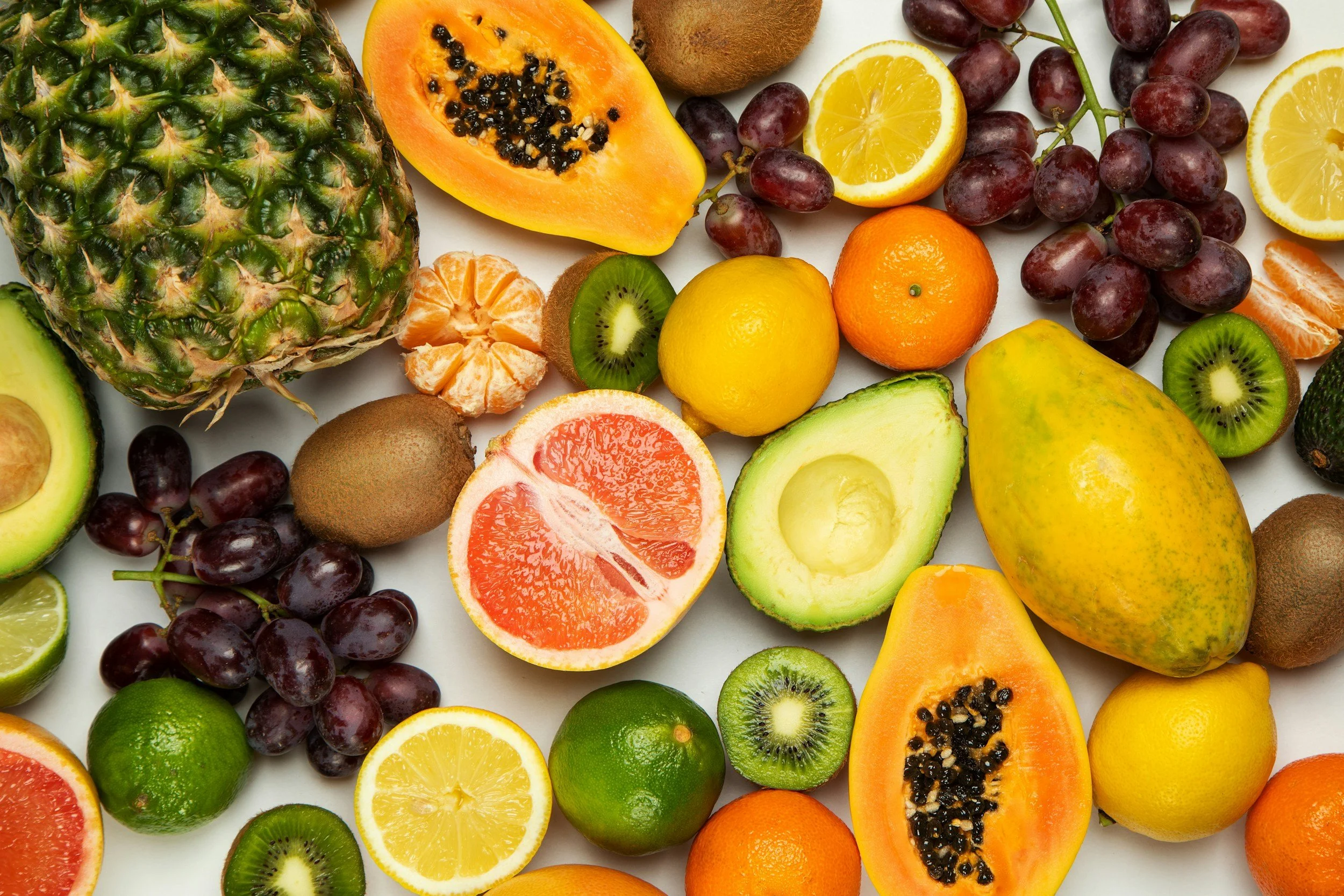
Fresh produce packaging must do much more than simply reduce plastic use. It is a critical layer of defense that must protect delicate fruits and vegetables from farm to table.
A high-performing package supports extended shelf life, actively manages moisture, and enables safe, efficient transport. Furthermore, it must meet the rapidly growing sustainability expectations and regulatory requirements in major global markets
What Sustainable Packaging for Fresh Produce Needs to Achieve
Sustainable packaging must strike a delicate balance between environmental goals and high performance.
It needs to reduce unnecessary material use while supporting recyclability or compostability where appropriate.
At the same time, the packaging must maintain strict food safety standards, protect product quality, and ultimately reduce food waste.
Crucially, the most sustainable option is not always the material with the lowest plastic content.
Instead, true sustainability comes from the solution that most effectively protects the produce throughout the entire supply chain.
Why Fresh Produce Packaging Is a Technical Challenge
Unlike static goods, living produce remains biologically active post-harvest. It reacts continuously to fluctuations in oxygen, carbon dioxide, relative humidity, and ambient temperature, while remaining vulnerable to physical shock.
Consequently, a single packaging format cannot fit all. Every solution must be engineered around specific respiration profiles, shipping durations, shelf-life demands, and consumer handling habits.
Balancing Product Protection and Sustainability
Effective packaging acts as a physical shield against bruising, microbial contamination, moisture loss, and premature decay, all while minimizing environmental impact.
Today's retailers and procurement managers demand solutions that deliver on every front: lightweight, fully recyclable, visually appealing, and resilient enough to endure complex logistics chains.
Reducing Food Waste Through Better Packaging Performance
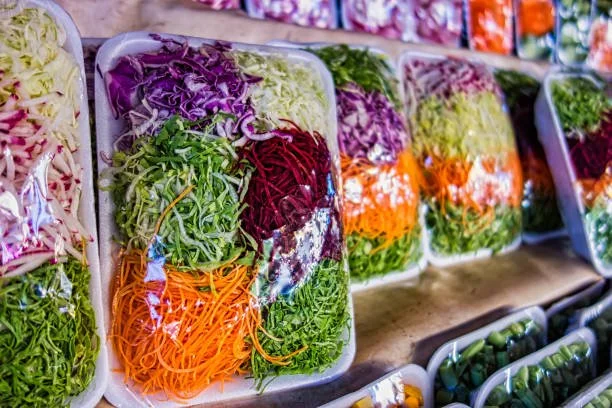
Extending fresh life by even a few days dramatically cuts food waste across the supply chain, protecting the crop from field to store and into the consumer’s kitchen.
True sustainability cannot be measured by material footprint alone. A packaging system's real environmental value lies in its ability to prevent crop loss before it occurs.
Key Materials Used in Sustainable Fresh Produce Packaging
Transitioning toward eco-friendly packaging involves navigating a diverse spectrum of substrates. Selecting the right option requires evaluating specific crop requirements, regional recovery infrastructure, packaging machinery compatibility, and performance trade-offs.
Mono-Layer Materials for Easier Recycling
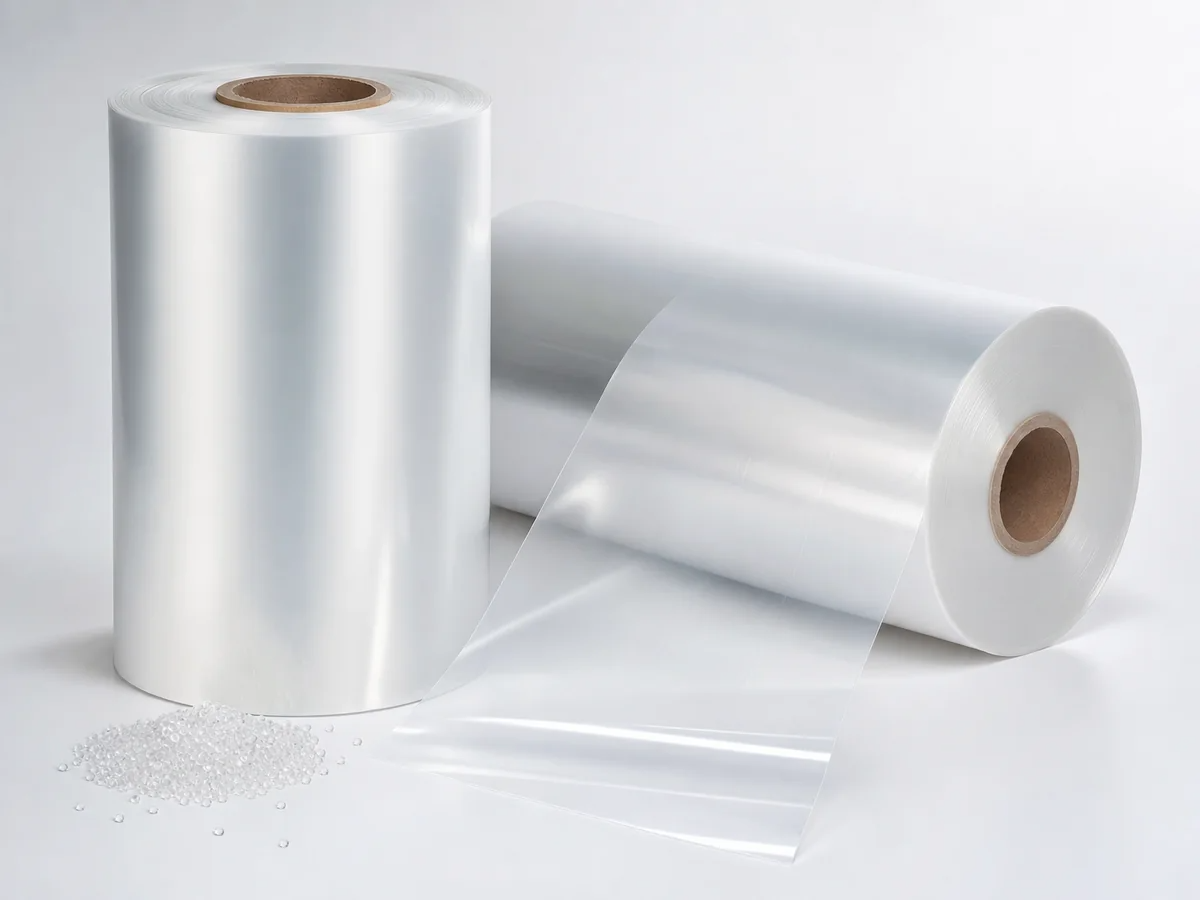
Single-polymer structures streamline processing at municipal recovery facilities, bypassing the sorting hurdles associated with traditional multi-layer laminates.
To succeed commercially, these uniform films must deliver circularity without compromising tensile integrity, optical clarity, reliable heat-sealing, or micro-hole machining capabilities.

Compostable and Plant-Based Packaging Materials
Bio-derived polymers, cellulose mesh netting, and molded fiber baskets provide alternative end-of-life pathways for organic waste streams.
While promising, these bio-based materials must be deployed selectively, ensuring local industrial or home composting networks exist to process them, while still satisfying stringent moisture resistance and safety criteria.
Flexible Films for Fresh Produce Applications
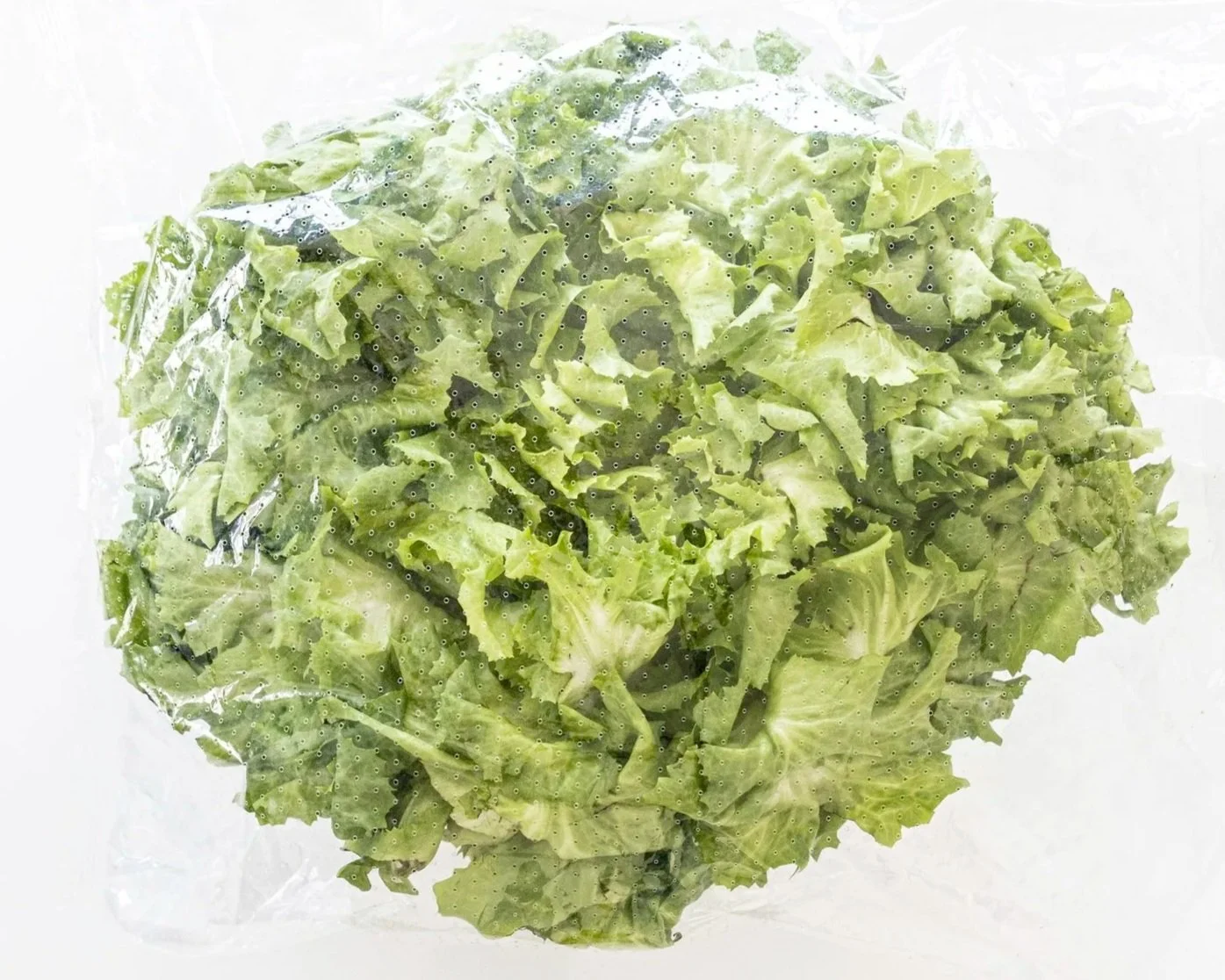
Flexible substrates remain essential due to their minimal material weight, crystal-clear optics, and seamless integration with high-speed automated packaging lines.
Next-generation recycle-ready films combine these operational efficiencies with engineered gas-exchange features, offering an optimal balance between low resource consumption and reliable product preservation.
How MAP Perforation Helps Extend Shelf Life
Modified Atmosphere Packaging (MAP) regulates the internal gas balance—slowing down natural decay by optimizing internal oxygen and carbon dioxide levels.
Micro-perforations introduce a calculated gas exchange mechanism, enabling the living crop to respire safely without triggering anaerobic fermentation or harmful atmospheric imbalances inside the sealed container.

Controlled Gas Exchange for Fruits and Vegetables
Precise aperture size, spatial density, micro-hole counts, and layout directly govern gas permeation through the film barrier.
Respiration kinetics vary widely across different crops; delicate berries and leafy salad mixes metabolize oxygen at entirely different rates than tender herbs or fresh-cut florets. Consequently, each commodity profile demands a uniquely calibrated venting matrix.
Moisture and Humidity Control in Fresh Produce Packaging
Unregulated transpiration causes free water droplets to collect on inner film surfaces, triggering fungal growth, soft rot, and a fogged, unappealing retail appearance.
Engineered breathable packaging creates controlled vapor release pathways. This stabilizes internal relative humidity, preventing condensation while keeping the product looking freshly harvested.
Matching Perforation Patterns to Product Requirements
There is no universal venting layout in atmospheric packaging design. Achieving optimal shelf-life extension depends on multiple intersecting variables: payload mass, film chemistry, pack geometry, target storage temperatures, and supply chain timelines.
Rigorous testing alongside advanced perforation equipment is essential to engineer a tailored solution for every specific SKU.
Perforation Technology for Sustainable Packaging Performance
Engineered perforations allow converters to fine-tune film ventilation and vapor transport without altering the core packaging format.
By granting precise control over atmospheric exchange, this process serves as a crucial technical driver in making eco-friendly substrates fully functional.

Laser Perforation for Precise Airflow Controlake it stand out
Focused laser optics vaporize ultra-fine apertures with micron-level accuracy across fast-moving film webs.
This non-contact method ensures flawless aperture consistency, effortless pattern adaptability, and high line productivity customized for specific produce requirements.

Needle Perforation for Larger Airflow Requirements
Thermal or ambient pin piercing systems offer a practical approach when larger openings or mechanical venting are needed.
Selecting between heated pin arrays or cold mechanical punching depends on film composition, required hole dimensions, production throughput, and specific performance targets.
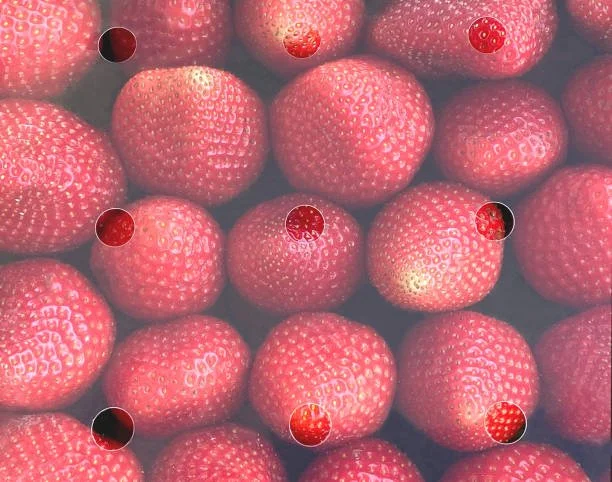
Microperforation and Macro Perforation in Produce Packaging
Micro-apertures facilitate delicate gas equilibrium for modified atmosphere preservation without compromising barrier integrity.
In contrast, macroscopic punch holes provide high-capacity air movement, ideal for fast chilling, preventing thermal buildup, or managing heavy ventilation formats.
Sustainable Packaging, Regulation and Market Expectations
Packaging choices are increasingly driven by an interconnected ecosystem of legislative mandates, commercial expectations, and shifting public sentiment.
In markets like Canada, aggressive policies targeting plastic reduction alongside mandatory Extended Producer Responsibility (EPR) frameworks place end-of-life waste management accountability directly onto brand owners.
Simultaneously, landmark global initiatives like the EU Packaging and Packaging Waste Regulation (PPWR) establish strict thresholds for recyclability and recycled content, reshaping standards across international export routes.

What Consumers and Retailers Expect
Shoppers instinctively connect fresh agriculture with natural purity, preferring minimalistic presentation and clearly labeled, easily recyclable or compostable materials.
However, eco-friendly messaging must align with practical purchasing priorities. Retailers and consumers alike remain unwilling to compromise on baseline metrics: affordable pricing, hygienic safety, visual appeal, and dependable product longevity.
Why Function Still Comes First
Despite eco-conscious pressures, a package's primary role remains uncompromised physical protection, fresh preservation, and structural integrity throughout transit.
A premature packaging failure that results in discarded produce generates a vastly higher environmental footprint than an engineered container using slightly more material. True sustainability begins with zero product loss.
Agricultural Mulching Perforations and Sustainability Beyond Packaging it stand out
Precision perforation technology extends far beyond post-harvest protection—it plays a vital role directly in the field.
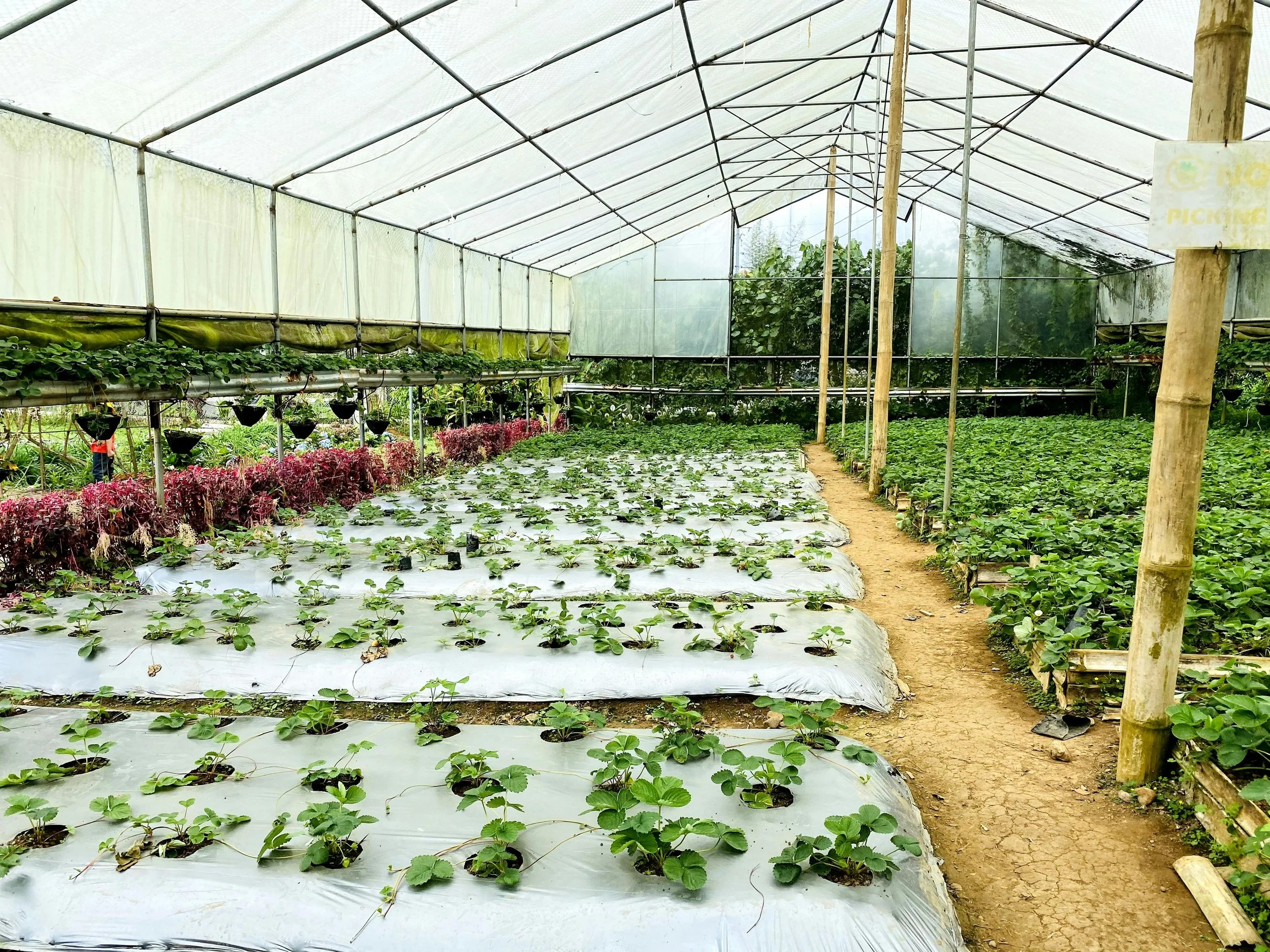
Engineered openings in agricultural mulching films optimize early-stage crop growth, streamline water drainage, and facilitate efficient field operations.
How Mulching Perforations Can Help Reduce Chemical Herbicide Use
Custom-perforated mulches create physical barriers that block surrounding weed emergence while exposing only the target seedling.
By aligning aperture patterns with exact crop spacing, growers effectively suppress invasive vegetation while significantly lowering reliance on chemical herbicides.
Connecting Packaging Technology and Agricultural Film Expertise
Whether regulating atmospheric gas exchange inside a retail pouch or creating uniform planting grids across farming acres, precision remain essential.
Spark Machinery leverages its advanced perforation expertise across both sectors—delivering the high-speed repeatability, tight process controls, and equipment reliability required for high-performance flexible films.
Benefits of Sustainable Fresh Produce Packaging
Adopting modern eco-friendly packaging delivers tangible commercial and environmental advantages across the supply chain:
Extended freshness: Slows degradation and dramatically cuts food waste.
Enhanced circularity: Simplifies material recovery through mono-layer film structures.
Superior moisture control: Prevents internal fogging and microbial decay.
Maximum shelf appeal: Maintains product visibility and fresh appearance.
Operational efficiency: Ensures reliable transit protection and seamless high-speed line automation.
Choosing the Right Sustainable Packaging Solution for Fresh Produce
Selecting the ideal packaging configuration requires evaluating crop biology, required shelf-life, supply chain routes, retail specifications, and regional waste processing capabilities.
Ultimately, the best packaging strategy balances environmental impact with uncompromised technical performance.
Questions Packaging Teams Should Ask
Before scaling a new packaging concept, engineering, production, and procurement teams should consider:
Respiration profile: What are the exact oxygen and carbon dioxide demands of the crop?
Recyclability: Which material structure is most widely recovered in the target market?
Atmospheric needs: Does the application require active MAP capabilities or simple vapor release?
Material transition: Can a mono-material film replace existing multi-layer laminates?
Technology selection: Which perforation method (laser vs. mechanical) achieves the target gas exchange rate?
Validation: What pilot testing and shelf-life trials are required before full production?

Looking for Advanced Perforation Solutions for Sustainable Packaging?
At Spark Machinery, we provide tailored perforation equipment engineered for high-performance, sustainable films.
From active MAP perforation and recyclable mono-layer structures to breathable concepts and agricultural mulching films, our technology delivers precise atmospheric control and reliable line efficiency.
Ready to optimize your packaging? Fill out the free quote form or contact us today to discover the ideal perforation solution for your application.